Sewer Line Repair in Albuquerque, NM
High Desert Clay, Temperature Swings, and Aging Pipes Challenge Albuquerque Sewer Systems
Albuquerque straddles the Rio Grande Valley, where clay-heavy soil dominates the landscape beneath residential neighborhoods on both sides of the river. This expansive clay absorbs moisture during monsoon season and swells, then dries out and cracks during the long arid stretches that define high desert living. That constant cycle of expansion and contraction shifts the ground around buried sewer lines, cracking rigid pipe materials and pulling joints apart year after year.
Daily temperature swings of 30 degrees or more put additional stress on pipes that are already under pressure. Many Albuquerque homes built during the city's postwar growth still rely on original clay tile or cast iron sewer laterals that have endured 50 to 60 years of this relentless thermal and soil cycling. Cottonwood and elm roots along the bosque corridors aggressively seek moisture in sewer pipes, completing the combination of forces that drives pipe failure across the metro area.
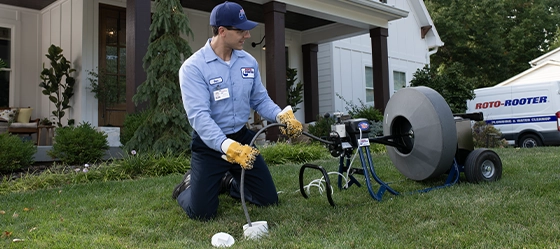
Roto-Rooter provides comprehensive sewer line repair throughout Albuquerque, NM. Our experienced plumbing technicians understand the demands that expansive desert clay, extreme temperature variation, and aging pipe infrastructure place on residential and commercial sewer systems.
- Full sewer line inspection, repair, and replacement: Covering clay tile, cast iron, and modern PVC systems
- Trenchless repair options: Restore pipes without extensive excavation through desert hardscape
- Video camera inspection: Pinpoint cracks, root intrusion, and collapse locations
- Root removal and preventive treatments: Clear blockages and seal pipe entry points
- Available 24/7, 365 days a year: Emergency sewer response when you need it
Call Roto-Rooter at 505-944-7244 or schedule your sewer line service online.
What Breaks Sewer Lines in Albuquerque's High Desert Environment
Sewer line failures across Albuquerque follow patterns driven by the region's geology, climate, and construction history. Understanding these causes helps property owners catch problems early.
- Expansive clay soil movement: Albuquerque's clay-heavy soils shift with moisture changes, putting pressure on buried pipes and causing cracks or misalignment. Properties near the Rio Grande and in low-lying neighborhoods experience the most aggressive soil movement during monsoon season.
- Extreme temperature cycling: Albuquerque routinely sees temperature swings of 30 to 40 degrees in a single day. This thermal cycling expands and contracts pipe materials and surrounding soil simultaneously, weakening joints and accelerating crack formation.
- Aging clay and cast iron pipes: Homes built during Albuquerque's mid-century expansion typically have clay tile laterals that last 50 to 60 years before joint failure begins. Cast iron lines corrode internally, developing rough surfaces that trap debris and narrow flow capacity.
- Cottonwood and elm root intrusion: The Rio Grande bosque supports massive cottonwood trees whose root systems extend well beyond the riparian corridor into residential areas. Elm and other shade trees in established neighborhoods send roots directly into deteriorating pipe joints.
- Monsoon flash flooding: Albuquerque receives much of its annual rainfall in intense monsoon bursts during July through September. These sudden soil saturation events push groundwater into cracked pipes and cause rapid soil expansion around buried laterals.
Albuquerque Neighborhoods Where Sewer Lines Face Elevated Risk
Sewer line condition varies across Albuquerque based on construction era, proximity to the Rio Grande, and original pipe materials.
- Nob Hill and UNM Area: Homes built during the 1940s and 1950s contain some of the oldest residential sewer laterals in the metro area. Mature elm trees line the streets and drive root intrusion into aging clay tile joints.
- North Valley and Los Ranchos: Proximity to the Rio Grande means a higher water table and more aggressive soil moisture cycling. Cottonwood roots extend into residential lots, and clay soils in this agricultural area shift significantly between wet and dry seasons.
- Southeast Heights and the International District: Postwar development installed laterals during the 1960s and 1970s that are now reaching the end of their expected lifespan. Clay soil in these lower-elevation neighborhoods retains monsoon moisture longer than surrounding mesa areas.
- West Mesa and Taylor Ranch: Built during the 1980s and 1990s on volcanic mesa soils, these neighborhoods face different challenges - caliche-like hardpan at shallow depths and dramatic soil moisture differences between irrigated landscapes and the surrounding desert.
Operated as an Independent Franchise - All available services, hours of operations, pricing structure, and guarantees may vary by location
Frequently Asked Questions
How do I know if my sewer line needs repair or just clearing?
A single slow drain usually points to a localized clog, but when multiple fixtures back up at the same time, the main sewer lateral is likely compromised. Roto-Rooter uses video camera inspection to determine whether the pipe can be cleared with hydro jetting or needs structural repair.
Does Albuquerque's clay soil really damage sewer pipes?
Yes. Albuquerque's expansive clay absorbs moisture and swells during monsoon season, then dries and contracts during arid periods. This cycle shifts the ground around buried pipes, cracking rigid materials and separating joints over time.
Can tree roots be permanently removed from sewer lines?
Roots can be cut and cleared using hydro jetting or mechanical cutting tools, but they will regrow through open joints and cracks. Trenchless pipe lining seals the pipe interior and eliminates the entry points that roots exploit.
What is trenchless sewer repair?
Trenchless repair restores damaged pipes without extensive excavation. CIPP lining coats the pipe interior with structural resin, while pipe bursting replaces the old pipe by pulling new material through it. Both methods work effectively in Albuquerque's soil conditions when the existing pipe qualifies after video inspection.
How long does sewer line repair take?
Trenchless lining and spot repairs typically complete within one day. Conventional excavation may take two to three days depending on pipe depth, soil conditions, and the length of damaged section. Your Roto-Rooter technician provides a specific time estimate after inspection.
Will sewer line repair damage my yard or xeriscape?
Trenchless methods require only small access points and leave most of your property undisturbed. Conventional repair involves excavation along the damaged section, and Roto-Rooter restores the work area after the job is complete. Your technician explains surface disruption expectations before any work begins.
How often should I have my sewer line inspected?
Albuquerque homes with clay tile or cast iron pipes, mature trees near the sewer path, or recurring slow drains should have a video inspection every two to three years. Proactive inspection catches root intrusion and soil-driven pipe deterioration before emergency backups occur.
Serving the entire Albuquerque metro area, Including:
Counties in the Albuquerque Metro Area
Warning Signs Your Albuquerque Sewer Line Needs Attention
Sewer line damage builds gradually as pipes age, roots grow, and clay soil cycles through monsoon and drought seasons. These early indicators can prevent a small problem from becoming a sewer emergency.
- Multiple slow drains throughout the house: When several fixtures drain slowly simultaneously, the blockage is in the main sewer lateral.
- Sewage odors in the yard or near the foundation: A cracked lateral leaks sewage into surrounding soil, and Albuquerque's dry air carries the odor noticeably.
- Unusually green patches in xeriscape or gravel areas: Sewage leaking underground creates visible plant growth or algae directly above the damaged pipe.
- Gurgling sounds during water use: Air trapped in a partially blocked lateral escapes through fixture drains, producing gurgling or bubbling sounds.
- Sewage backups through floor drains: Raw sewage backing up through the lowest drains signals a serious blockage or collapse in the main lateral.
Same-Day Sewer Line Repair in Albuquerque
Call Roto-Rooter for Sewer Line Repair in Albuquerque - Available 24/7
SPECIAL FINANCING AVAILABLE
We have partnered with Synchrony Bank to offer financing options to make your plumbing repair expenses as convenient and stress-free as possible.