Leak Detection in Long Beach, CA
Coastal Corrosion and Aging Infrastructure - Protecting Long Beach Properties from Hidden Leaks
Long Beach sits on the Southern California coast where salt air, seismic activity, and a housing stock dating back to the early 1900s combine to create persistent leak risks across the city. Homes built before the 1980s often contain galvanized steel or cast iron pipes that deteriorate under the dual pressure of internal corrosion and external salt air exposure. The clay-heavy soil beneath much of the city expands and contracts with moisture changes, and even minor seismic events can shift underground pipe connections enough to create slow leaks that run undetected for months.
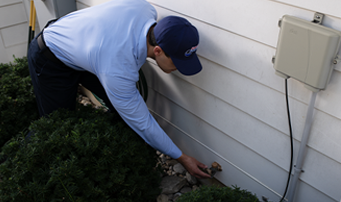
Roto-Rooter's experienced plumbing technicians use professional-grade leak detection equipment to locate hidden leaks without tearing apart walls, floors, or landscaping. Our approach pinpoints the exact source so repairs target the problem directly.
- Available 24/7, 365 days a year: Emergency and scheduled leak detection for residential and commercial properties throughout Long Beach.
- Non-invasive detection methods: Roto-Rooter is fully licensed and insured with experienced plumbing technicians trained in acoustic, thermal, and pressure-based detection that preserves your home's interior and landscaping.
- Accurate location technology: Identifies slab leaks, underground line leaks, and hidden pipe failures without guesswork or unnecessary demolition.
Call Roto-Rooter at 562-424-0025 or schedule service online to locate and stop leaks fast.

Why Long Beach Plumbing Faces Unique Challenges
- Salt air corrosion: Long Beach's coastal location exposes plumbing infrastructure to salt-laden air that accelerates corrosion on copper fittings, valves, and exposed pipe connections. Properties closest to the harbor and beaches experience the fastest degradation.
- Seismic stress on pipes: Southern California's seismic activity shifts underground pipes, loosens joints, and creates fractures that develop into slow leaks. Even minor tremors can misalign connections that were installed decades ago.
- Clay soil expansion: The clay content in Long Beach's soil expands with moisture and contracts during dry periods. This seasonal movement stresses underground pipes and pulls slab-embedded supply lines out of alignment.
- Aging pipe materials: Homes built before the 1980s commonly contain galvanized steel pipes with internal rust buildup that narrows the pipe, causes pressure loss, and creates pinhole leaks. Cast iron sewer lines in older properties crack under soil pressure and root intrusion.
- High water table areas: Parts of Long Beach have elevated water tables that create moisture around underground pipes, accelerating external corrosion and complicating leak detection.
Neighborhoods and Areas We Serve Across Long Beach
- Belmont Shore and Naples: Waterfront properties face maximum salt air exposure. Homes built during the 1920s and 1940s contain aging pipe materials under the most aggressive corrosion conditions in the city.
- Bixby Knolls and California Heights: Mid-century homes built during the 1930s and 1950s feature galvanized steel and early copper installations that have been in service for 70 years or more. Mature trees create root intrusion concerns.
- Signal Hill and Los Altos: Properties on elevated terrain face soil settlement challenges. The former oil field areas have unique soil conditions that create additional underground pipe stress.
- North Long Beach and Lakewood Village: Post-war development used pipe materials now approaching the end of their expected lifespan. Clay soil conditions in these neighborhoods create persistent foundation movement.
Frequently Asked Questions
How do I know if I have a hidden water leak in my Long Beach home?
Common signs include unexplained increases in your water bill, running water sounds when fixtures are off, warm or damp spots on floors, and new cracks in walls or foundation. Check your water meter with all water turned off - if the dial continues to move, call Roto-Rooter at ${phone} for professional leak detection.
Can earthquakes cause plumbing leaks?
Yes. Even minor seismic events common in Southern California can shift underground pipes, loosen joints, and create fractures in supply and drain lines. Older galvanized steel and cast iron pipes are particularly vulnerable to seismic damage because rigid materials crack under movement stress.
Can Roto-Rooter detect leaks without damaging my walls or flooring?
Yes. Our experienced plumbing technicians use acoustic sensors, thermal imaging cameras, and pressure testing to locate leaks non-invasively. These methods pinpoint the exact leak location so repair access is limited to the smallest possible area.
How does salt air affect plumbing in Long Beach?
Salt-laden air accelerates corrosion on copper pipe fittings, valves, and exposed connections. Properties closer to the coast experience faster degradation. This external corrosion combines with internal mineral buildup to attack pipes on both surfaces simultaneously.
What pipe materials are most at risk in Long Beach homes?
Galvanized steel pipes in pre-1980 homes develop internal rust that narrows the pipe and creates pinhole leaks. Cast iron sewer lines crack under soil pressure and root intrusion. Older copper installations corrode under the combined effects of hard water and salt air exposure.
How long does a professional leak detection inspection take?
Most residential inspections take one to two hours depending on property size and plumbing complexity. Slab leak detection may require additional time. Our technicians arrive with all necessary equipment on every service call.
Does Roto-Rooter provide commercial leak detection in Long Beach?
Yes. Roto-Rooter provides leak detection for commercial buildings, retail centers, restaurants, and industrial facilities throughout Long Beach and the surrounding area.
Serving the entire Los Angeles metro area, Including:
Counties in the Long Beach Metro Area
Protecting Your Long Beach Property
- Schedule post-earthquake inspections: Even minor seismic events can shift underground connections. A professional inspection after noticeable tremors catches developing leaks early.
- Monitor your water bill: Long Beach Water Department provides usage tracking. A sudden increase with no change in habits indicates a likely hidden leak.
- Inspect for salt air damage: Exposed copper fittings and connections near the coast degrade faster. Regular visual inspection catches external corrosion before it causes failure.
- Schedule annual leak inspections: A professional detection survey catches developing problems before they cause structural damage or water waste.
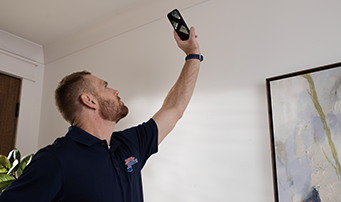
Same-Day Leak Detection in Long Beach
Call Roto-Rooter for Leak Detection in Long Beach - Available 24/7
SPECIAL FINANCING AVAILABLE
We have partnered with Synchrony Bank to offer financing options to make your plumbing repair expenses as convenient and stress-free as possible.