How to Manage Water Damage
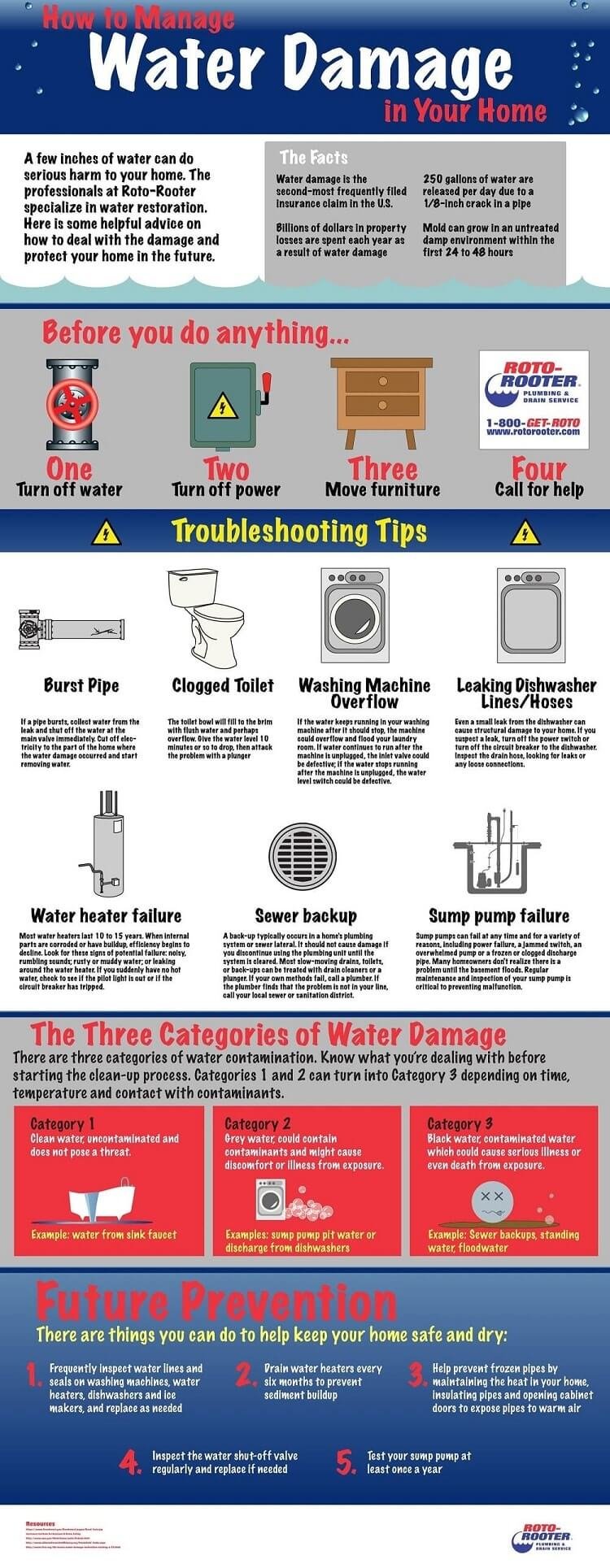
A soaked carpet from a leak rarely stays a small problem. Water spreads across subfloors, wicks up drywall and reaches electrical boxes faster than most homeowners expect, which is why the first hour of a leak usually decides the repair bill. Water damage ranks as the second most frequently filed homeowner insurance claim in the United States, and billions of dollars in property losses are paid out every year because of it.
Where the water came from matters almost as much as how fast you respond. A slow leak from a supply line is a very different situation from something like a sewer backup. Each one needs to be handled differently. This guide covers what to shut off first, how restoration professionals categorize water damage, when mold becomes a risk, and what your insurance will and won't cover.
Stop the Water Before You Touch Anything Else
Turn off the water supply at the fixture shutoff or the main house valve the moment you spot a leak. A 1/8-inch crack in a pipe releases roughly 250 gallons of water per day, so every minute the supply stays open adds volume to the floor, the subfloor and the ceiling below. A nickel-sized hole in copper can flood a finished basement overnight.
Cut power to the affected rooms using your home's breaker panel after the water is stopped, especially when standing water sits near outlets or appliance cords. Move furniture, rugs and boxes to a dry area before the legs stain the carpet and the cardboard wicks moisture into the contents. Call a plumbing company for burst or leaking pipes that you cannot isolate yourself.
Roto-Rooter's plumbers are available 24/7, 365 days a year for burst pipes, sewer backups, and sump pump failures.
Know the Three Categories of Water Damage
Restoration work is priced and planned around contamination level, not square footage alone.
The three categories of water damage are listed below.
- Category 1 Clean Water: Originates from a sanitary source such as a broken supply line, a tub overflow or a failed ice maker and does not pose a health threat on contact.
- Category 2 Gray Water: Contains contaminants that can cause discomfort or illness if ingested or touched, with common sources including dishwasher discharge, washing machine overflow and toilet overflow that contains urine but no solids.
- Category 3 Black Water: Grossly contaminated water carrying pathogens or toxins, including sewage backups, standing floodwater and river water that has entered the home.
Category matters because the cleanup protocol shifts hard between levels. A Category 1 spill often dries with fans and dehumidifiers, a Category 2 event usually requires antimicrobial treatment of porous materials, and a Category 3 loss almost always means removal of drywall and carpet pad that cannot be safely disinfected. A Category 1 event can escalate to Category 2 or Category 3 because of time, temperature and contact with contaminants, so a clean-water leak left for two days may require the same tear-out as a sewage backup.
The 24 to 48 Hour Mold Window
Mold can grow in an untreated damp environment within the first 24 to 48 hours after water exposure. Spore germination starts earlier than visible growth, and the first colonies often hide behind baseboards, under vinyl plank flooring or inside wall cavities where air movement is poor. Musty odors usually appear before a homeowner sees a spot on the wall.
Moisture meters and thermal cameras help restoration technicians find wet framing that looks dry on the surface. Pull wet carpet pad within a day, lift baseboards so the wall cavity can breathe, and run dehumidifiers continuously until relative humidity drops under 50 percent. Stop painting over a stain if the drywall still reads wet on a meter, because trapped moisture will feed mold behind a sealed surface.
What Homeowners Insurance Will and Will Not Pay
Standard homeowners policies generally cover water damage that is sudden and accidental, such as a burst supply line, a washing machine hose failure or a pipe that freezes and splits overnight. Dwelling coverage handles the structure, and personal property coverage handles the contents that got soaked. Flood insurance from the National Flood Insurance Program is a separate policy, and it is the only coverage that pays for rising surface water from storms or overflowing rivers.
Slow leaks and long-term seepage are usually excluded because the insurer treats them as maintenance. A sink trap that has dripped for six months or a shower pan that has leaked into the joists for a year will rarely trigger a paid claim. Sewer and drain backup coverage is almost always an optional endorsement, not a default, so check the declarations page before the next heavy rain. Photograph the source and the damaged contents, save receipts for emergency mitigation, and keep a written log of contractor visits and dry-out readings.
Prevent the Next Incident
Small habits cut the odds of a second claim. Five preventive actions for a drier home are listed below.
- Inspect Supply Lines Quarterly: Check braided lines at sinks, toilets, dishwashers, washing machines and ice makers every 3 months and replace any line that shows rust, kinking or a swollen jacket.
- Drain the Water Heater Every 6 Months: Flush sediment from the tank twice a year to extend service life and reduce the odds of a bottom seam failure.
- Insulate Exposed Pipes: Wrap pipes in unheated spaces with foam sleeves and open cabinet doors on cold nights if the home sits in a freeze-prone region.
- Test the Main Shutoff Annually: Turn the main valve off and back on once a year because a seized valve is useless during an emergency.
- Test the Sump Pump Yearly: Pour a bucket of water into the pit to confirm the float rises and the pump discharges, and add a battery backup for storm-season outages.
Frequently Asked Questions
How quickly does water damage become permanent?
Structural materials start failing within 24 hours of exposure. Drywall swells, particleboard subfloor delaminates, laminate flooring lifts at the seams and hardwood cups across the grain. Mold activation follows at 24 to 48 hours, so the first two days set the repair scope.
Can I dry out water damage myself?
Small Category 1 spills under 10 square feet are usually within DIY range if the water is stopped and the area dries within 24 hours. Rent a professional-grade dehumidifier and air movers, pull wet baseboards, and monitor moisture readings for 3 days. Category 2 and Category 3 events require restoration professionals because disinfection protocols and disposal rules apply.
Does homeowners insurance cover a burst pipe?
Most standard homeowners policies cover sudden, accidental pipe bursts including freeze-related failures. The policy pays for the resulting damage to drywall, flooring and contents, though it typically will not pay to replace the failed pipe itself. Gradual leaks and flood water from outside the home fall outside standard coverage.
When should I throw out a wet carpet?
Discard carpet pad exposed to Category 2 or Category 3 water immediately, because the foam cannot be reliably disinfected. Carpet face material may be salvageable if the contamination was clean water and the drying starts within 24 hours. Any carpet wet for more than 48 hours usually fails a post-restoration inspection and should be replaced.
How do I know if mold is already growing?
A musty odor and dark spotting on drywall are the earliest indicators most homeowners notice. A moisture meter that reads above 17 percent in wood framing or above 1 percent in drywall signals active water retention. Hire a certified indoor air quality professional for testing if symptoms like congestion or headaches appear after a water event.
What does a water damage cleanup call cost?
Restoration pricing varies with the category of water, the square footage affected and the number of drying days required. A small clean-water loss may resolve for a few hundred dollars, while a Category 3 sewage backup with tear-out can run into five figures. Request a written scope of work before authorizing demolition so insurance can review the mitigation plan.
A fast shutoff, a read on the water category and a two-day mold window cover the variables behind almost every water damage outcome. Pair those with a documented insurance file and a prevention checklist, and most leaks stay inconveniences rather than gut renovations.
Loading customer reviews...