Food Service Grease Trap Cleaning
Slow kitchen drains, unpleasant odors, or recurring backups can signal a grease trap or connected drain problem. Roto-Rooter provides grease trap cleaning and maintenance for restaurants and food preparation areas. Pumping services are available at select locations.
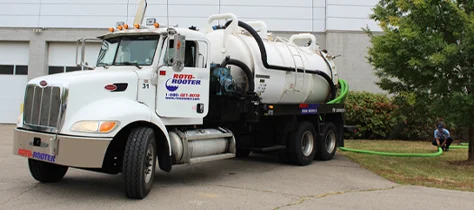
Grease Trap Cleaning and Connected Drain Service
A grease trap needs its own maintenance, even when nearby drains have recently been cleared. Roto-Rooter can help with grease trap cleaning and connected kitchen drain problems so you can address both the equipment and the lines it serves.
Pumping is available at select locations. Confirm waste removal and cleaning scope when arranging your visit.
Grease Trap Cleaning for Your Restaurant
Grease traps and interceptors separate fats, oils, and grease from kitchen wastewater. Accumulated grease and solids need to be removed so the equipment can continue working.
- Cleaning and maintenance: Address accumulated grease and solids.
- Pumping where available: Confirm whether your location provides waste removal.
- Connected drain service: Assess kitchen lines when a backup extends beyond the trap.
- Repair or replacement: Discuss damaged components or a system that no longer meets the kitchen’s needs.
Service offerings vary by location.

Do Not Ignore Repeat Drainage Problems
Set a Cleaning Schedule That Fits Your Kitchen

Frequently Asked Questions
How frequently should our restaurant schedule grease trap cleaning?
Discuss kitchen volume, equipment, service history, and local grease-management requirements. Confirm a cleaning schedule suited to your operation instead of assuming one interval applies to every kitchen.
What information helps plan grease trap service?
Provide the equipment type, last cleaning date, kitchen use, and any recurring drainage problems. Share any local maintenance requirements so the service scope and schedule can be discussed before the visit.
What service records should I request?
Ask what the service summary will document and explain any records your property manager or local authority requires. Confirm the documentation included before booking.
Can we arrange service around meal times?
Share your opening, preparation, and meal-service hours when scheduling. Confirm the appointment, access, and any expected interruption with the service team.
Is grease trap pumping included in a cleaning visit?
Confirm before booking. Pumping is not available at every Roto-Rooter location, and a drain cleaning visit does not automatically include removal of grease trap waste.