Industrial & Facility Plumbing Services
A blocked drain or plumbing leak can interrupt work across a facility. Roto-Rooter helps industrial properties address building plumbing, drain and sewer problems, and water cleanup.
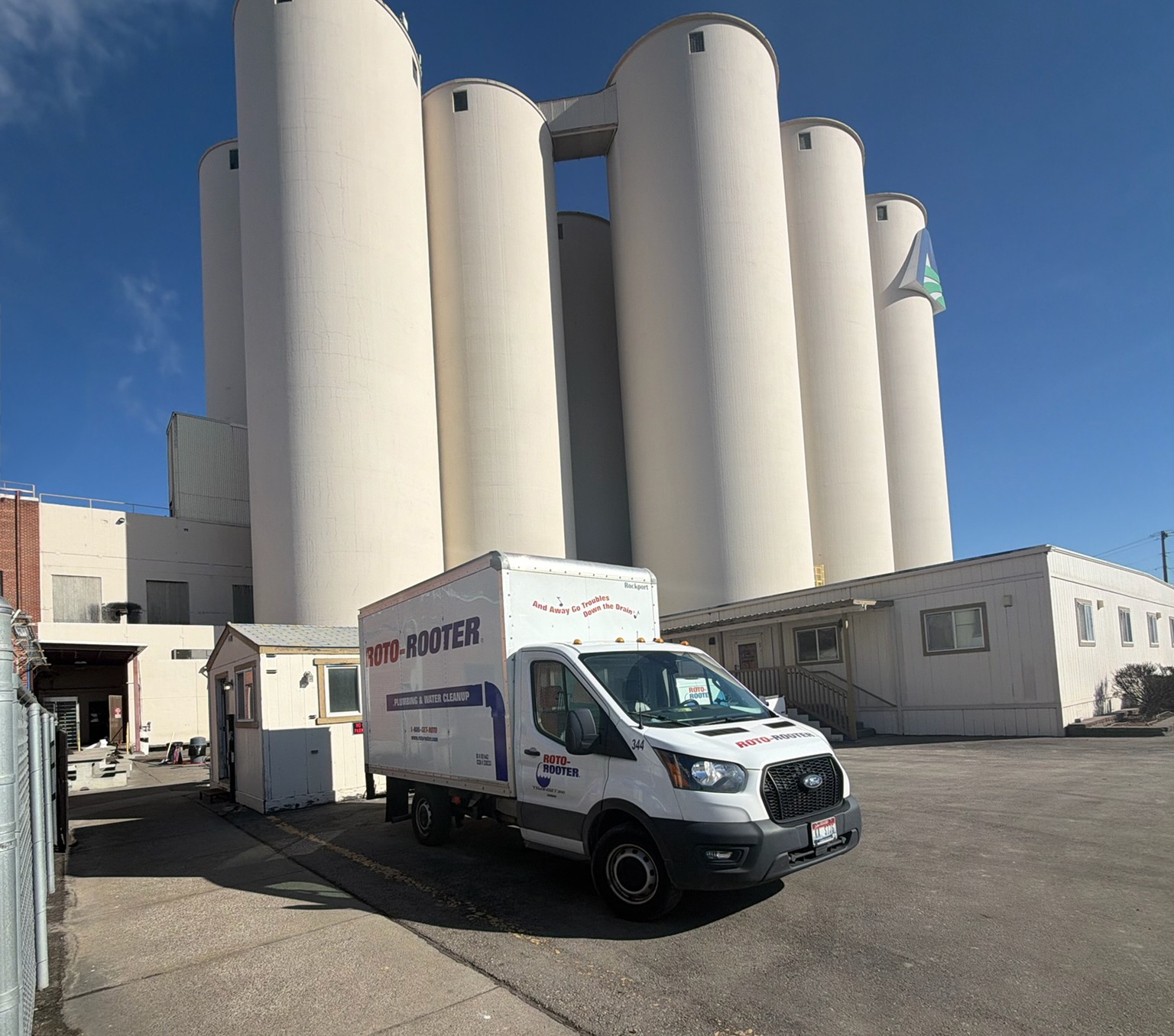
Address the Plumbing That Supports Daily Operations
Warehouses, distribution sites, and industrial buildings have plumbing needs beyond the production floor. Start with the affected line, fixture, or work area and confirm the service scope for your property.
Floor & Branch Drains
Get help with blockages in floor drains and connected branch lines. Commercial drain cleaning can address buildup and obstructions in building drainage systems.
Main Sewer Lines
Discuss backed-up main lines and recurring sewer problems. Where suitable for the pipe and blockage, high-pressure water jetting uses pressurized water to clean material from inside the line.
Building Pipes & Fixtures
Address leaking pipes, restroom fixtures, sink connections, and other building plumbing concerns. Tell us if the affected connection serves production equipment so the work required can be discussed before the visit.
Service offerings vary by location.
Choose the Next Step for a Recurring Blockage
A line that repeatedly backs up needs an assessment of the recurring problem. Share where the blockage occurs, what the line serves, and what previous cleaning or repairs involved.
A camera inspection of accessible pipe can help examine the line and guide cleaning or repair recommendations. Cleaning methods depend on the line’s condition, access, and the material involved. Discuss the findings and recommended work with the service team.
Prepare for Access to an Active Facility
Tell us about loading areas, vehicle access, security check-in, and site entry requirements. Identify the person who can authorize work and provide access to the affected plumbing.
- Share available drainage plans and previous inspection findings.
- Identify operating areas and equipment connected to the affected line.
- Discuss access to cleanouts and shutoffs.
- Explain any site-specific entry or work requirements when scheduling.
Plan Maintenance Around Use and Service History
Build routine cleaning around the lines that need it most. Roto-Rooter can review repeat backups and accessible pipe condition, clear affected lines, and recommend a maintenance approach based on how your facility uses its plumbing.
Commercial plumbing inspections can help assess accessible building systems and prioritize repairs. For water-supply protection equipment, arrange backflow prevention service separately so the visit addresses the device and the work needed.
Get Plumbing Help for Your Facility
Tell us which line or area is affected, what it serves, and how the service team can access your site.
Explore the other industries Roto-Rooter serves.
Frequently Asked Questions
What types of industrial properties can Roto-Rooter help?
Roto-Rooter provides building plumbing and drain and sewer services for industrial properties such as warehouses, distribution facilities, and manufacturing sites. Explain the affected system and your site’s needs when scheduling. Available services vary by location.
Can water jetting be used on industrial drain lines?
High-pressure water jetting can clean suitable commercial and industrial drain or sewer lines using pressurized water. The service team assesses the line’s condition, access, and the blockage before recommending a method. Confirm availability and scope for your facility when booking.
Does industrial plumbing service include production machinery repairs?
Building plumbing, process piping, and repairs inside production machinery can require different services. Describe the equipment, connection, and affected line when you call so the scope can be confirmed. Specialized process equipment may need its manufacturer or an equipment service provider.
What should we share before a technician visits our facility?
Provide the affected line’s location and use, available plans or previous findings, and an on-site contact who can authorize work. Explain security check-in, vehicle access, operating restrictions, and site-specific entry requirements. Discuss access to cleanouts, maintenance areas, and shutoffs.
How is a drain maintenance schedule chosen for a facility?
A useful schedule considers the line’s use, service history, recurring blockage patterns, and inspection findings. Share previous drain calls and changes in facility use with the service team. Confirm the cleaning scope and available maintenance options for your location rather than assuming the same interval fits every line.