Drain Cleaning in Buffalo, NY
Century-Old Pipes Under Lake Effect Pressure
More than 60 percent of Buffalo's housing stock was built before 1939, and large sections of the combined sewer system date to the late 1800s - including a 166-year-old sewer beneath Breckenridge Street. Homes throughout Elmwood Village, North Buffalo, and South Buffalo still rely on original cast iron and clay tile drain lines that have endured a century of freeze-thaw cycles, lake effect snow, and shifting clay soil.
Roto-Rooter has provided professional drain cleaning since 1935. Our Buffalo technicians understand the challenges that Western New York's climate and aging infrastructure create for drain systems. Free estimates, financing for qualifying customers, and 24/7 emergency response.
Call 716-648-5082 or schedule service online.
Why Buffalo Drains Fail More Than Most Cities
Extreme seasonal temperature swings, dense glacial clay, hard water minerals from Lake Erie, and housing stock that predates modern plumbing materials make Buffalo one of the toughest environments for drain systems in the Northeast.
- Freeze-thaw pipe stress: Buffalo averages over 90 inches of snow annually. Repeated freezing and thawing cycles crack pipe joints, shift connections, and open gaps where roots and groundwater infiltrate. Unheated basements and exterior wall cavities are especially vulnerable.
- Clay soil movement: Dense glacial clay beneath Buffalo holds water rather than draining it. This clay expands when saturated and contracts during dry periods, pushing buried drain lines out of alignment.
- Hard water mineral deposits: Municipal water drawn from Lake Erie measures approximately 135 parts per million in hardness. Calcium and magnesium deposit scale inside drain pipes, narrowing the interior and creating rough surfaces that trap grease and debris.
- Tree root intrusion: Mature silver maples, elms, and oaks along Delaware Avenue, Bidwell Parkway, and the Olmsted park system send roots into cracked pipe joints seeking moisture.
- Combined sewer backups: Buffalo's combined sewer system carries stormwater and household sewage in shared pipes. During heavy rain or rapid snowmelt, the volume can push sewage back through basement floor drains.
- Corroded cast iron and crumbling clay tile: Pre-1940 homes still depend on cast iron pipes with decades of internal corrosion and clay tile weakened by sustained soil pressure. These materials were never designed to last a century.
Call 716-648-5082 or book online for a free estimate.
Buffalo Neighborhoods We Serve
Our drain cleaning technicians respond across Buffalo and Erie County with fully equipped service vehicles ready to handle any blockage.
- Elmwood Village and Allentown: Late 1800s housing with original cast iron and clay tile drains. Dense tree canopy along Elmwood Avenue drives root intrusion into aging joints.
- North Buffalo and Hertel Avenue area: Early 20th century homes with basements below combined sewer elevation. Grease buildup and root intrusion are the most common drain issues.
- South Buffalo and Seneca-Babcock: Homes built between 1900 and 1950 with original plumbing enduring decades of freeze-thaw stress and clay soil movement.
- Black Rock and Riverside: Niagara River neighborhoods with high water tables. Basement drain backups during heavy rain and spring melt are recurring.
- Kaisertown, Lovejoy, and the East Side: Dense residential areas with 1890s-1940s housing. Cast iron corrosion and pipe joint separation are common.
- Surrounding Erie County: Cheektowaga, Tonawanda, West Seneca, Lackawanna, Kenmore, Amherst, and Williamsville.
What to Do During a Drain Emergency
A backed-up drain can escalate quickly during a Buffalo winter when frozen ground prevents drainage and snowmelt overwhelms the sewer system.
- Stop using water: Turn off faucets, dishwashers, and washing machines to prevent the backup from spreading.
- Check other fixtures: If multiple drains back up simultaneously, the blockage is likely in the main sewer line. This helps our technicians arrive prepared.
- Protect your basement: Move stored items away from floor drains. If sewage is backing up, avoid contact and keep children and pets clear.
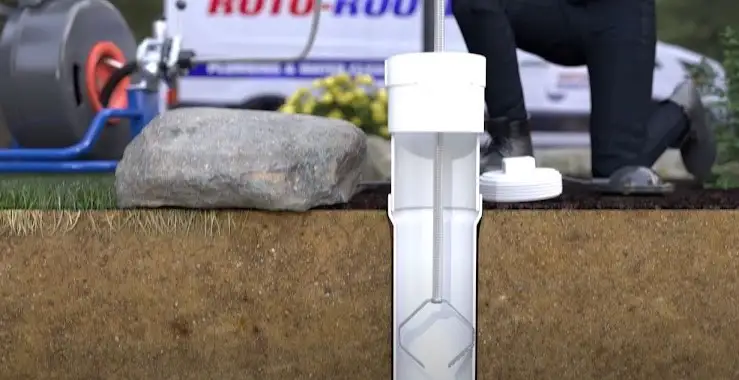
- Locate the cleanout: Many Buffalo homes have a cleanout near the foundation or in the basement. Opening it can relieve pressure.
- Call 716-648-5082: Roto-Rooter responds 24/7, 365 days a year across Buffalo and Erie County.
Frequently Asked Questions
How do I know if my drain needs professional cleaning?
Slow drainage in multiple fixtures, gurgling sounds, or sewage odors rising from basement floor drains indicate a blockage deeper than store-bought products can reach. Chemical drain cleaners can also damage the older cast iron and clay tile pipes found in most Buffalo homes. Call ${phone} for a free estimate.
What causes recurring drain clogs in Buffalo homes?
Tree root intrusion is the leading cause. Mature street trees grow into cracked pipe joints, and freeze-thaw cycles open new entry points every winter. Hard water mineral buildup from Lake Erie and deteriorating cast iron also contribute. A camera inspection identifies the specific cause.
How often should Buffalo homeowners schedule drain cleaning?
Annual cleaning is recommended for most Buffalo homes, particularly pre-1940 properties with original plumbing. Homes with basements that experience seasonal dampness benefit from service twice a year - once before winter and once after spring thaw.
Why does my basement floor drain back up during heavy rain?
Buffalo's combined sewer system carries stormwater and household sewage in shared pipes. During heavy rainfall or rapid snowmelt, the volume can exceed capacity and push water back through the lowest drain - typically a basement floor drain. Keeping the line clear and installing a backwater valve helps prevent backups.
Will hydro jetting damage my older pipes?
Technicians adjust water pressure based on pipe material and condition. For older cast iron or clay tile, lower pressure settings remove buildup effectively without risking structural damage. A camera inspection before jetting confirms the pipe can handle the process.
Can frozen drain lines be cleared in winter?
Yes. Roto-Rooter responds to frozen drain emergencies throughout Buffalo's winter season with specialized equipment to locate and thaw frozen sections. Lines in unheated basements, crawl spaces, and along exterior walls are the most common freeze locations.
Does Roto-Rooter offer financing for drain cleaning?
Yes. Financing options are available for qualifying customers. Ask your technician or call ${phone} for details.
Serving the entire Buffalo metro area, Including:
Counties in the Buffalo Metro Area
Basement Drains and the Buffalo Winter
Basement flooding is a persistent problem across Buffalo. During rapid spring thaws, snowmelt saturates clay soil and overwhelms storm drainage, forcing water back through basement floor drains. Ice dams on roofs send meltwater down walls and into foundations. During extended cold snaps, frozen drain lines in unheated basement sections can back up entirely.
Roto-Rooter technicians clear and maintain basement floor drains, laundry drains, utility sink drains, and sump connections. Regular maintenance before freeze season and after spring thaw helps prevent the backups that cause the most damage. If your basement has standing water or sewage backup, call 716-648-5082 for immediate 24/7 response.
What to Expect During Your Drain Cleaning Appointment
- Diagnosis first: The technician inspects affected drains and evaluates your home's age, pipe material, and local conditions.
- Camera inspection: A fiber-optic camera reveals the exact blockage location and pipe condition. You can watch the live feed.
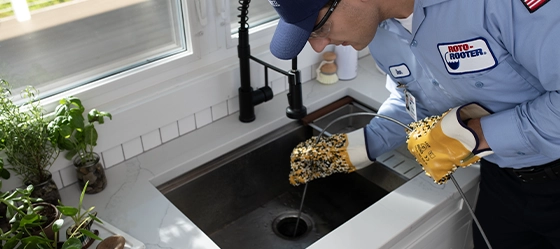
- Professional cleaning: Cable machine for root masses, hydro jetting for grease and scale, or a combination for stubborn blockages.
- Verification: A second camera pass confirms the line is fully cleared and the pipe is sound.
- Recommendations: If the inspection reveals pipe damage or deterioration, the technician explains options and provides a written estimate. Financing available.
Same-Day Drain Cleaning in Buffalo
Buffalo's Drain Cleaning Team - Day and Night, All Year

SPECIAL FINANCING AVAILABLE
We have partnered with Synchrony Bank to offer financing options to make your plumbing repair expenses as convenient and stress-free as possible.