Water Damage Restoration in Buffalo, NY
Lake Erie's Influence and Century-Old Housing Stock Multiply Buffalo's Water Risks
Buffalo sits at the eastern end of Lake Erie, where lake effect snow, seasonal temperature swings, and proximity to the Niagara River create year-round water damage threats. The city averages more than 90 inches of snowfall annually - representing an enormous volume of water locked in ice that must go somewhere when temperatures rise. Rapid spring thaws overwhelm gutters, foundation drains, and combined sewer systems simultaneously, flooding basements across older neighborhoods.
Most Buffalo homes were built between 1900 and 1960 with construction methods that trap moisture. Stone foundations absorb groundwater like sponges, and cast iron drain pipes corrode and fail after decades of use. Properties in Riverside, Black Rock, and South Buffalo sit just feet above the water table, making basement flooding a recurring problem during heavy rain and spring snowmelt. The Scajaquada Creek and Buffalo River corridors add riverine flood risk for properties in low-lying areas.
Roto-Rooter provides comprehensive water damage restoration in Buffalo, backed by decades of plumbing expertise since 1935. Our experienced plumbing technicians respond promptly with professional-grade extraction, structural drying, and restoration equipment. Call Roto-Rooter at 716-648-5082 or schedule service online for immediate water damage assistance.
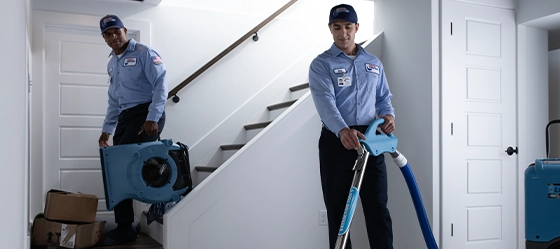
Water Damage Situations That Affect Buffalo Homes
Western New York's severe winters, humid summers, and aging residential infrastructure create multiple water damage pathways.
- Basement flooding: Buffalo's most frequent water damage problem. Combined sewer systems overflow during heavy rain, pushing contaminated water back through floor drains. Stone and block foundations in pre-war homes absorb groundwater during saturated conditions. Sump pump failures during power outages compound the damage.
- Frozen and burst pipes: Buffalo winters bring extended periods well below freezing. Supply lines in uninsulated areas, exterior walls, and attached garages freeze and rupture. The city has also experienced water main breaks that flood surrounding properties with municipal water.
- Spring snowmelt flooding: Over 90 inches of annual snowfall melts rapidly during spring warmups, overwhelming storm sewers and foundation drains. Water pools against foundations and enters through cracks, window wells, and deteriorating mortar joints in stone foundations.
- Ice dam roof leaks: Lake effect snow accumulates on roofs, and heat escaping through the attic creates ice dams at the eaves. Water trapped behind ice ridges seeps under shingles, saturating attic insulation, ceilings, and wall cavities.
- Appliance failures: Water heaters, washing machines, and dishwashers are leading sources of residential water damage. Lake Erie's moderately hard water deposits minerals on supply hoses and fittings over time.
- Lake Erie wind-driven flooding: Strong northeast winds push Lake Erie water toward the Buffalo shoreline. Properties in lakefront neighborhoods and along the Niagara River face wave-driven flooding during severe storms.
Buffalo Neighborhoods We Serve
Roto-Rooter provides water damage restoration throughout Buffalo, NY. Our technicians respond promptly to emergencies across the city.
- Riverside, Black Rock, and the West Side: Proximity to the Niagara River and Lake Erie keeps the water table high. Pre-war homes with stone foundations and combined sewer connections experience the highest rates of basement flooding in the metro area.
- South Buffalo and the First Ward: Low-lying neighborhoods near the Buffalo River face both riverine flooding and sewer backup during heavy rain events. Older housing stock features original plumbing systems approaching a century of service.
- North Buffalo, Parkside, and Delaware District: Large homes built in the 1910s through 1940s with complex plumbing systems. Aging cast iron drain stacks and galvanized supply lines create elevated risk for sudden failures. Mature tree canopies contribute to clogged gutters and ice dam formation.
- Elmwood Village, Allentown, and downtown: Dense residential blocks with shared walls and interconnected plumbing. Water damage in one unit can cascade into neighboring properties. Historic brownstones feature original plumbing systems vulnerable to winter freeze damage.
Frequently Asked Questions
Does Roto-Rooter offer free estimates for water damage restoration?
Yes. Roto-Rooter provides free estimates for water damage restoration in Buffalo. Our technicians assess the scope of damage and explain costs before work begins.
Can ice dams cause interior water damage?
Yes. Ice dams trap melting snow behind ridges of ice at the roof edge, forcing water under shingles and into the attic. This water saturates insulation, ceilings, and wall cavities. Professional restoration removes wet materials and dries the structure to prevent mold growth.
How does lake effect snow contribute to water damage?
Buffalo's 90-plus inches of annual snowfall represents a massive volume of water. Rapid spring thaws send meltwater into storm drains, foundation drains, and gutters faster than they can handle the flow. Heavy snow loads on roofs also create ice dams that force water under shingles and into the building.
Does Roto-Rooter handle basement flooding in Buffalo?
Yes. Basement flooding is our most common water damage call in Buffalo. Our teams extract standing water, sanitize surfaces contaminated by sewer backup, deploy structural drying equipment, and address the entry point to reduce the risk of repeat flooding.
What should I do if my pipes freeze during a Buffalo winter?
Do not attempt to thaw frozen pipes with an open flame. Shut off the water supply to the affected area. If a pipe has burst, close the main water valve and call Roto-Rooter at 716-648-5082. Our technicians respond promptly to extract water and begin drying before mold develops.
How quickly should water damage be addressed in Buffalo?
Water damage should be addressed within hours regardless of the season. Mold can grow on damp materials within 48 hours, and contaminated sewer backup water poses immediate health risks. Call Roto-Rooter at 716-648-5082 for prompt emergency response.
Will my homeowners insurance cover water damage?
Most Buffalo homeowners policies cover sudden and accidental water damage, such as burst or leaking pipes and appliance failures. Sewer backup coverage is typically a separate endorsement. Roto-Rooter provides documentation to support your insurance claim.
Serving the entire Buffalo metro area, Including:
Counties in the Buffalo Metro Area
Financing Options for Water Damage Restoration
Restoration costs can add up quickly after unexpected water damage. Roto-Rooter offers convenient financing through Synchrony Bank to help Buffalo homeowners manage expenses without delaying critical repairs. Financing lets you authorize work right away while spreading costs into manageable monthly payments.
Roto-Rooter provides free estimates so you understand costs before work begins. Our team also works with your insurance company to document damage and support your claim. Call 716-648-5082 to discuss restoration needs and financing options.
What to Do When You Discover Water Damage in Your Buffalo Home
Acting quickly after discovering water damage limits destruction and reduces costs.
- Stop the water source: If the water is coming from a plumbing failure, shut off the main water supply valve. For basement sewer backup, stop using fixtures that drain to the affected area. For storm-related flooding, focus on safety first.
- Protect yourself and your property: Avoid contact with standing water, especially sewer backup water. Stay away from electrical outlets and panels near water. Move valuable items above the water line.
- Call Roto-Rooter immediately: Contact Roto-Rooter at 716-648-5082 as soon as the situation is safe. Our technicians respond promptly to begin extraction and prevent mold growth.
- Document the damage: Take photos and videos of all affected areas before cleanup begins. This documentation supports your insurance claim.

Same-Day Water Damage Restoration in Buffalo
Trusted Water Damage Restoration Across Buffalo

SPECIAL FINANCING AVAILABLE
We have partnered with Synchrony Bank to offer financing options to make your plumbing repair expenses as convenient and stress-free as possible.