Emergency Plumbing in Buffalo, NY
One of America's Oldest Water Systems and the Winters That Test It
Buffalo's water infrastructure ranks among the oldest in the country, and bitter cold winters put relentless pressure on aging pipes throughout the city. The water utility has faced two to three water main breaks daily during winter cold snaps, with some involving pipes installed over a century ago. A 36-inch main that ruptured caused flash flooding across multiple blocks. Forty-five percent of the city's service lines are confirmed as lead, and the aging distribution network beneath Buffalo's neighborhoods continues to serve homes that depend on it through some of the harshest winter conditions in the Northeast.
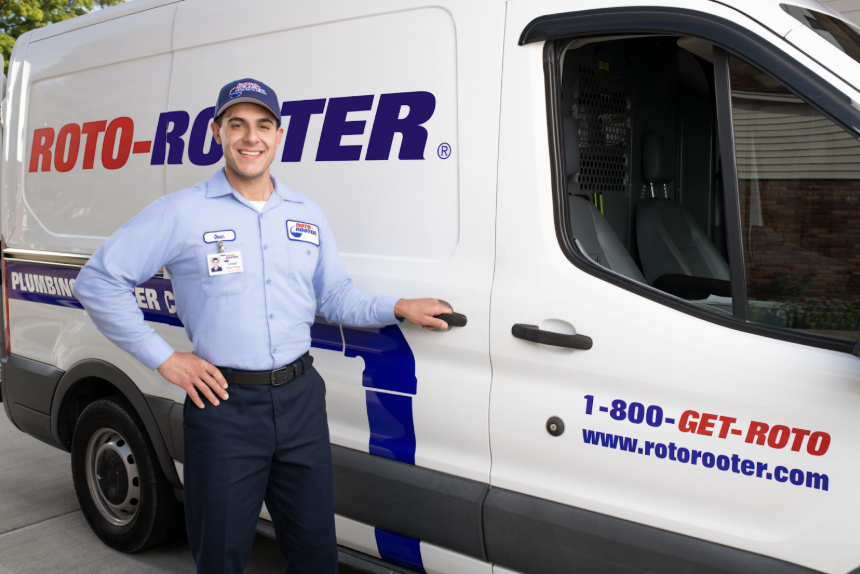
Roto-Rooter has provided plumbing services since 1935. Our Buffalo technicians understand the specific challenges this city creates - aging infrastructure beneath established neighborhoods, lead and galvanized pipe connections, basement plumbing vulnerable to freeze-thaw cycles, and a combined sewer system that backs up during spring snowmelt. We respond 24/7 with fully equipped service vehicles.
- Availability: 24/7 emergency service, 365 days a year
- Credentials: Roto-Rooter is fully licensed and insured with experienced plumbing technicians
- Equipment: Fast response with professional-grade tools on every service vehicle
- Coverage: Residential and commercial emergency plumbing throughout Buffalo and Erie County
Call Roto-Rooter at 716-648-5082 or schedule service online for immediate emergency plumbing help.
Emergencies That Hit Buffalo Homes
Buffalo's combination of extreme cold, heavy snowfall, aging infrastructure, and dense residential construction creates emergency scenarios that demand immediate professional response. When temperatures stay below zero for days, the entire plumbing system is under stress.
- Frozen and Burst Pipes: Buffalo's extended sub-zero stretches freeze exposed pipes in basements, attics, and exterior walls. A single burst pipe can discharge 250 gallons per hour into a finished basement. Our technicians locate the freeze point, thaw pipes safely, and replace damaged sections to stop flooding.
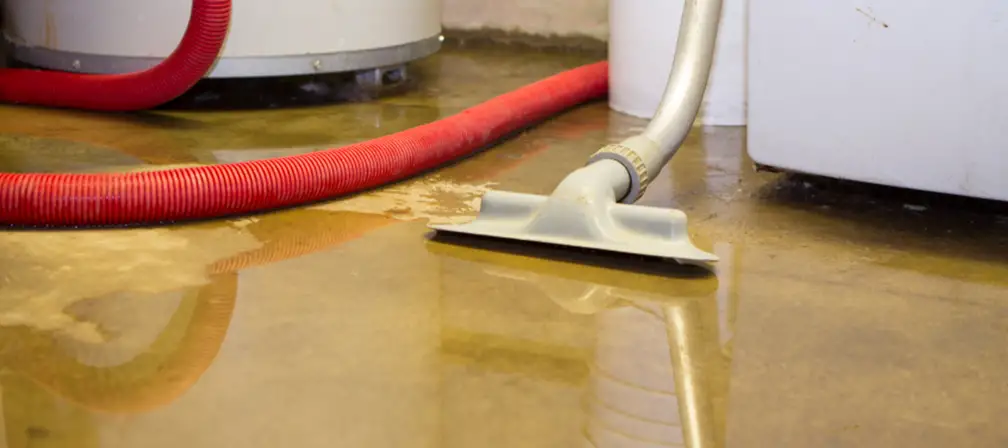
- Basement Flooding and Sewer Backups: Spring snowmelt and heavy rain overwhelm Buffalo's combined sewer system, pushing water and sewage back through residential connections into basements. Aging sewer laterals and tree root intrusion compound the problem in older neighborhoods.
- Water Heater Failures: Tank corrosion, faulty pressure relief valves, and sediment buildup cause leaks and loss of hot water. In Buffalo's climate, losing hot water during winter creates a genuine hardship. Our technicians repair and replace both tank and tankless units.
- Burst or Leaking Pipes: Corroded galvanized steel pipes in pre-war homes fail under pressure changes caused by municipal water main breaks and freeze-thaw cycling. Our technicians isolate the break, stop water flow, and replace the damaged section.
- Gas Line Concerns: The smell of natural gas near water heaters, furnaces, or gas-powered fixtures requires immediate professional attention. Our technicians can identify and address gas line issues safely.
- Leak Detection and Repair: Acoustic and electronic detection equipment locates hidden leaks behind walls and in basement plumbing without unnecessary demolition.
What to Do During a Plumbing Emergency
Quick action in the first minutes of a plumbing emergency can prevent thousands of dollars in water damage. Here is what Roto-Rooter recommends for Buffalo homeowners.
- Shut Off the Water: Turn the main shut-off valve clockwise to stop water flow. In most Buffalo homes, this valve is located in the basement near the water meter.
- Turn Off the Water Heater: If the emergency involves hot water or a water heater leak, turn off the gas or electricity to the unit.
- Protect the Basement: Move stored items off basement floors onto shelves or upper levels. If water is entering through floor drains, avoid contact with potentially contaminated water.
- Open Faucets to Drain Pressure: After shutting off the main valve, open a few faucets to relieve remaining pressure in the lines.
- Call Roto-Rooter at 716-648-5082: Describe the situation and our team will dispatch a technician immediately. We respond 24/7 in all weather conditions.
What to Expect From Roto-Rooter Emergency Service
Every emergency plumbing call follows the same priority: stop the damage first, then fix the cause. Our technicians arrive prepared to handle the most common emergencies on the first visit.
- Prompt Arrival: Our service vehicles carry professional-grade equipment and common repair parts for fast response across Buffalo and Erie County, even during winter storms.
- Accurate Diagnosis: We identify the source of the problem before starting repairs. For hidden leaks, we use acoustic and electronic detection equipment to pinpoint the failure without unnecessary demolition.
- Code-Compliant Repairs: All emergency repairs meet current New York State plumbing code requirements using materials suited to Buffalo's climate.
- Water Damage Mitigation: When plumbing failures cause basement flooding, our technicians extract standing water and begin dry-out to limit secondary damage.
Frequently Asked Questions
What should I do if a pipe freezes in my Buffalo home?
Never use an open flame to thaw a frozen pipe. Turn off the main water shut-off valve as a precaution, then apply gentle heat using a hair dryer, heat lamp, or warm towels. If the pipe has already burst, shut off the water immediately and call Roto-Rooter at ${phone} for emergency repair. Move valuables away from standing water while you wait.
Why does my basement flood during spring snowmelt in Buffalo?
Buffalo's combined sewer system handles both stormwater and wastewater in the same pipes. During rapid snowmelt or heavy rain, the system can become overwhelmed, and water backs up through residential sewer connections into basements. Aging sewer laterals with tree root intrusion make this problem worse. A backwater valve can help prevent future incidents.
Does Roto-Rooter handle water heater emergencies in Buffalo?
Yes. Our technicians repair and replace both tank and tankless water heaters. We carry common parts on our service vehicles to resolve most failures on the first visit. During Buffalo winters, a failed water heater requires immediate attention.
How quickly can Roto-Rooter respond to a plumbing emergency in Buffalo?
Roto-Rooter responds 24/7 to emergency plumbing calls throughout Buffalo and Erie County. Our technicians are dispatched from fully equipped service vehicles positioned across the area for fast response in any weather conditions.
Can a city water main break damage my home plumbing?
Yes. Water main breaks cause sudden pressure changes that can stress weakened residential connections and trigger leaks or bursts in your own plumbing. Buffalo's aging water infrastructure experiences frequent main breaks, particularly during winter cold snaps. If you notice sudden pressure loss or discolored water after a main break nearby, call ${phone} for an assessment.
Are older Buffalo homes at higher risk for plumbing emergencies?
Yes. Pre-war homes with original galvanized steel supply lines, cast iron drain stacks, and clay tile sewer connections face the highest risk of sudden failure. These materials deteriorate over decades of freeze-thaw cycling, and many Buffalo homes have pipes that have been in service for 80 to 100 years.
Does Roto-Rooter provide commercial emergency plumbing in Buffalo?
Roto-Rooter provides 24/7 emergency plumbing for restaurants, office buildings, retail spaces, and commercial facilities across Buffalo and Erie County. Our commercial equipment handles the larger pipe sizes and higher-capacity systems in commercial properties.
Serving the entire Buffalo metro area, Including:
Counties in the Buffalo Metro Area
Buffalo Neighborhoods Our Technicians Know
Buffalo's plumbing challenges vary by neighborhood age and proximity to aging water infrastructure. Our technicians respond across the city and Erie County.
- Elmwood Village and Delaware District: Homes built in the late 1800s and early 1900s contain some of Buffalo's oldest residential plumbing, including galvanized supply lines and cast iron drain stacks. Frozen pipe emergencies concentrate in these densely built neighborhoods during extended cold snaps.
- South Buffalo and Seneca-Babcock: Established working-class neighborhoods with mid-century homes that have plumbing systems approaching or exceeding their expected service life. Basement flooding during spring snowmelt is a persistent concern.
- North Buffalo and Hertel Avenue: The 2025 water main break on a pipe installed in 1905 near this corridor demonstrated the ongoing risk that aging infrastructure poses to residential properties. Sudden pressure changes from main breaks can trigger failures in home plumbing.
- West Side and Black Rock: Mixed residential and commercial properties near the Niagara River face plumbing challenges related to both aging infrastructure and the combined sewer system that overloads during heavy rain and snowmelt events.

Same-Day Emergency Plumbing in Buffalo
Buffalo Emergency Plumbing - Available 24/7
SPECIAL FINANCING AVAILABLE
We have partnered with Synchrony Bank to offer financing options to make your plumbing repair expenses as convenient and stress-free as possible.