Sewer Line Repair in Cleveland, OH
Combined Sewers, Lake Effect Weather, and 150-Year-Old Infrastructure Define Cleveland's Sewer Challenges
Cleveland operates one of the oldest combined sewer systems in the United States, with some brick and stone sewer lines dating to 1873 - over 150 years of continuous service beneath the city's streets. The Northeast Ohio Regional Sewer District manages infrastructure that carries both sewage and stormwater through the same pipes, a design that made sense in the late 1800s but now struggles to handle modern flow volumes during heavy rain and snowmelt events.
Lake effect weather compounds the strain on this aging system. Cleveland's position on the southern shore of Lake Erie brings heavy snow, ice storms, and freeze-thaw cycles that crack buried pipes and heave joints out of alignment. The clay and shale soils beneath the city's neighborhoods shift with seasonal moisture changes, and mature maples, oaks, and elms send root systems into every gap these stresses create.
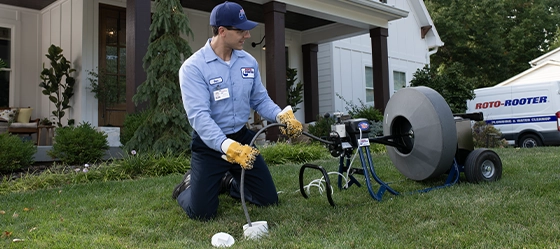
Roto-Rooter provides comprehensive sewer line repair throughout Cleveland, OH. Our experienced plumbing technicians understand the demands that combined sewer infrastructure, lake effect weather, and aging pipe materials place on residential and commercial properties across the city.
- Full sewer line inspection, repair, and replacement: Covering brick, clay tile, cast iron, and PVC systems
- Trenchless repair options: Restore pipes without excavating through yards and driveways
- Video camera inspection: Locate cracks, root masses, and collapsed sections precisely
- Root removal and preventive treatments: Clear intrusion and seal pipe entry points
- Free on-site estimates and flexible financing: Know your costs before work begins
- Available 24/7, 365 days a year: Emergency sewer response during any weather event
Call Roto-Rooter at 216-226-4506 or schedule your sewer line service online.
What Damages Sewer Lines Across Cleveland
Sewer line failures in Cleveland are driven by the convergence of aging infrastructure, combined sewer design, and Northeast Ohio's punishing weather patterns.
- Combined sewer system overload: During heavy rain or rapid snowmelt, the combined system exceeds treatment capacity. Untreated sewage overflows into the Cuyahoga River and Lake Erie - and the same volume surge that overwhelms the system also backs up into residential laterals with cracks or weakened joints.
- Freeze-thaw pipe damage: Cleveland's winters bring repeated freeze-thaw cycles that crack buried pipes and heave joints out of alignment. Ice formation inside partially blocked pipes adds internal pressure that compounds external ground movement.
- Aging pipe deterioration: The ASCE gives Northeast Ohio's wastewater infrastructure a D+ rating. Clay tile, cast iron, and even brick sewer lines serve properties across the city, and many have exceeded their intended design life. Clay cracks under soil pressure, cast iron corrodes internally, and brick mortar erodes after decades of water flow.
- Clay and shale soil movement: Cleveland's clay and shale soils absorb moisture during rain and snowmelt, expanding against buried pipes. The subsequent drying cycle causes contraction that leaves pipes unsupported. This pattern is especially aggressive in neighborhoods along the lake bluff and river valleys.
- Mature tree root intrusion: Cleveland's established tree canopy of maples, oaks, and elms sends aggressive root systems into deteriorating pipe joints. The combination of moisture-seeking roots and aging pipe materials creates blockages that return season after season.
Cleveland Neighborhoods Where Sewer Lines Face Elevated Risk
Sewer line condition varies across Cleveland based on construction era, proximity to waterways, and exposure to combined sewer overflow events.
- Ohio City and Tremont: These historic neighborhoods contain some of Cleveland's oldest residential sewer infrastructure. Brick and clay tile laterals dating to the late 1800s serve homes that have been modernized above ground while aging pipes remain buried below.
- Shaker Heights and Cleveland Heights: Early 20th-century construction with dense tree canopy drives persistent root intrusion into aging cast iron and clay tile laterals. The heights terrain channels stormwater that saturates soil around buried pipes.
- West Park and Kamm's Corners: Mid-century development installed laterals during the 1940s and 1950s that are now 70 to 80 years old. Heavy lake effect snow and rain create extreme soil moisture cycling in these western neighborhoods.
- Slavic Village and Broadway: Low-lying terrain near the Cuyahoga River increases susceptibility to combined sewer backups during storm events. Aging infrastructure in these neighborhoods faces both overflow pressure and groundwater infiltration.
Frequently Asked Questions
How do I know if my sewer line is damaged?
When multiple drains back up simultaneously, sewage odors appear in your yard, or you experience backups during rain or snowmelt, the main sewer lateral is likely compromised. Roto-Rooter uses video camera inspection to pinpoint damage and recommend the right repair approach.
Does Cleveland's combined sewer system cause residential backups?
It can. During heavy rain or rapid snowmelt, the combined system handles volumes that exceed treatment capacity. If your lateral has cracks or weakened joints, this surge can push sewage back into your property through the lowest drains.
Can tree roots be permanently removed from sewer lines?
Roots can be cut and cleared using hydro jetting or mechanical cutting, but they regrow through open joints and cracks. Trenchless pipe lining creates a seamless interior surface that seals root entry points and prevents future penetration.
What trenchless options work in Cleveland's clay soil?
CIPP lining coats the pipe interior with structural resin, restoring flow without excavation. Pipe bursting replaces the old pipe by pulling new material through it. Both methods work effectively in Cleveland's soil conditions when the existing pipe qualifies after video inspection.
How long does sewer line repair take?
Trenchless lining and spot repairs typically complete within one day. Conventional excavation may take two to three days depending on pipe depth and soil conditions. Your Roto-Rooter technician provides a specific time estimate after inspection.
Does Roto-Rooter offer financing for sewer line repair?
Yes. Roto-Rooter offers flexible financing options so Cleveland homeowners can address sewer problems promptly. Approved applicants can begin repair immediately and spread the cost over manageable monthly payments. Free on-site estimates are also available.
How often should I have my sewer line inspected?
Cleveland homes with pre-1970 pipes, mature trees near the sewer path, or recurring backups during rain events should have a video inspection every two to three years. The combination of aging infrastructure and combined sewer overflow risk makes proactive inspection especially valuable.
Serving the entire Cleveland metro area, Including:
Counties in the Cleveland Metro Area
Warning Signs Your Cleveland Sewer Line Needs Attention
Aging combined sewer infrastructure and lake effect weather create conditions where pipe damage can escalate quickly. Watch for these indicators.
- Multiple slow drains throughout the house: When several fixtures drain slowly simultaneously, the blockage is in the main sewer lateral.
- Sewage backups during rain or snowmelt: Stormwater infiltrating cracked pipes overwhelms the lateral, causing backups into the lowest fixtures - particularly in homes near combined sewer mains.
- Sewage odors in the yard or basement: A cracked lateral leaks sewage into surrounding soil, producing noticeable odors near the ground surface or through basement walls.
- Gurgling sounds during water use: Air trapped in a partially blocked lateral escapes through fixture drains.
- Wet spots or sinkholes in the yard: Leaking sewage erodes soil above the damaged pipe, creating depressions or persistently soggy areas.

Same-Day Sewer Line Repair in Cleveland
Call Roto-Rooter for Sewer Line Repair in Cleveland - Available 24/7

SPECIAL FINANCING AVAILABLE
We have partnered with Synchrony Bank to offer financing options to make your plumbing repair expenses as convenient and stress-free as possible.