Water Damage Restoration in Cleveland, OH
Lake Effect Weather and Aging Infrastructure Challenge Cleveland Homes
Cleveland sits on the southern shore of Lake Erie, exposed to lake effect snow, freezing rain, and sudden temperature swings that stress residential plumbing systems throughout the year. The city averages over 60 inches of snowfall each winter, and rapid spring thaws send massive volumes of meltwater into aging storm drains and combined sewer systems that were designed for a much smaller population. About 19 percent of buildings in Cleveland face significant flood risk, with the most vulnerable properties concentrated near Scajaquada Creek, the Cuyahoga River, and low-lying lakefront neighborhoods.
Basement flooding is among the most common water damage scenarios in Cleveland. Older neighborhoods feature homes built between 1900 and 1960 with stone and block foundations that absorb groundwater during saturated conditions. Combined sewer systems in these areas mix stormwater and sewage in the same pipes, and heavy rainfall events overwhelm capacity, pushing contaminated water back into homes through floor drains.
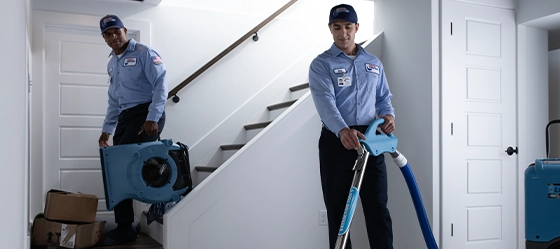
Roto-Rooter provides comprehensive water damage restoration in Cleveland, backed by decades of plumbing expertise since 1935. Our experienced plumbing technicians respond promptly with professional-grade extraction, structural drying, and restoration equipment. Call Roto-Rooter at 216-226-4506 or schedule service online for immediate water damage assistance.
Water Damage Situations That Hit Cleveland Homes Hard
Northeast Ohio's harsh winters, humid summers, and legacy infrastructure create water damage scenarios that require professional response.
- Basement flooding: Cleveland's most common water damage problem. Heavy rain overwhelms combined sewer systems, backing contaminated water through floor drains. Failed sump pumps during power outages compound the damage. Stone and block foundations in pre-1960 homes absorb groundwater like sponges during prolonged wet periods.
- Frozen and burst pipes: Cleveland winters bring extended stretches below freezing that can last weeks. Supply lines in unheated crawl spaces, exterior walls, and attached garages freeze solid and rupture. A single burst pipe can release hundreds of gallons before the homeowner discovers the failure.
- Spring snowmelt flooding: Rapid warmups after heavy snowfall overwhelm gutters, foundation drains, and storm sewers simultaneously. The 60-plus inches of annual snowfall represents a massive volume of water when temperatures rise quickly.
- Appliance failures: Water heaters, washing machines, and dishwashers are leading sources of residential water damage. Cleveland's moderately hard water deposits minerals on supply hoses and fittings, accelerating wear.
- Lake Erie storm surge: Properties in lakefront neighborhoods face wind-driven wave action during nor'easters and strong northeast winds. Lake Erie's shallow depth allows waves to build quickly, pushing water onto shoreline properties in Bratenahl, Edgewater, and along the lakefront parks.
- Roof and ice dam leaks: Ice dams form when heat escaping through the attic melts snow on the roof, which refreezes at the eaves. Water pools behind the dam and seeps under shingles, saturating attic insulation, ceilings, and interior walls.
Cleveland Neighborhoods We Serve
Roto-Rooter provides water damage restoration throughout Cleveland, OH. Our technicians respond promptly to emergencies across the city.
- Tremont, Ohio City, and Detroit Shoreway: Pre-war homes with stone foundations, cast iron drain lines, and combined sewer connections face elevated basement flooding risk during heavy rain. These neighborhoods sit in the Cuyahoga River valley where groundwater tables rise quickly.
- Lakewood, Edgewater, and West Park: Lake Erie proximity brings moisture-laden air that keeps humidity elevated. Older housing stock features original plumbing systems that have exceeded their expected service life, increasing the likelihood of sudden pipe failures.
- Cleveland Heights, Shaker Heights, and University Circle: Large homes built in the 1920s through 1940s contain complex plumbing systems with galvanized supply lines and aging drain connections. Mature tree canopies contribute to clogged gutters and downspouts that redirect water toward foundations.
- Parma, Brooklyn, and Old Brooklyn: Post-war suburban development sits on clay-heavy soils that retain moisture. Basement flooding during spring rains is a recurring concern, particularly in homes with original perimeter drain tile that has deteriorated over decades.
Frequently Asked Questions
Does Roto-Rooter offer free estimates for water damage restoration?
Yes. Roto-Rooter provides free estimates for water damage restoration in Cleveland. Our technicians assess the scope of damage and explain costs before work begins.
Does Roto-Rooter handle basement flooding in Cleveland?
Yes. Basement flooding is our most common water damage call in Cleveland. Our teams extract standing water, sanitize surfaces contaminated by sewer backup, deploy structural drying equipment, and address the underlying cause to reduce the risk of repeat flooding.
How quickly should water damage be addressed in Cleveland?
Water damage should be addressed within hours regardless of the season. Mold can begin growing on damp materials within 24 to 48 hours, and contaminated sewer water from basement backups poses immediate health risks. Call Roto-Rooter at 216-226-4506 for prompt emergency response.
What should I do if my pipes freeze during a Cleveland winter?
Do not attempt to thaw frozen pipes with an open flame. Shut off the water supply to the affected area immediately. If a pipe has already burst, close the main water valve and call Roto-Rooter at 216-226-4506. Our technicians respond promptly to extract water and begin drying before mold has time to develop.
Will my homeowners insurance cover water damage restoration?
Most Cleveland homeowners policies cover sudden and accidental water damage, such as burst or leaking pipes and appliance failures. Sewer backup coverage is typically a separate endorsement. Roto-Rooter provides detailed documentation to support your insurance claim.
How does Cleveland's combined sewer system affect water damage risk?
Cleveland's combined sewer system carries both stormwater and sewage in the same pipes. During heavy rainfall, the system can exceed capacity and push contaminated water back into homes through floor drains and basement fixtures. This creates a Category 3 (black water) situation requiring professional cleanup.
Can ice dams cause interior water damage?
Yes. Ice dams trap melting snow behind ridges of ice at the roof edge, forcing water under shingles and into the attic space. This water saturates insulation, ceilings, and wall cavities. Professional restoration removes wet materials and dries the structure to prevent mold growth.
Serving the entire Cleveland metro area, Including:
Counties in the Cleveland Metro Area
Financing Options for Water Damage Restoration
Restoration costs can add up quickly after unexpected water damage. Roto-Rooter offers convenient financing through Synchrony Bank to help Cleveland homeowners manage expenses without delaying critical repairs. Financing lets you authorize work right away while spreading costs into manageable monthly payments.
Roto-Rooter provides free estimates so you understand costs before work begins. Our team also works with your insurance company to document damage and support your claim. Call 216-226-4506 to discuss restoration needs and financing options.
What to Do When You Discover Water Damage in Your Cleveland Home
Acting quickly after discovering water damage limits destruction and reduces costs. If you find standing water or signs of water intrusion, take these steps immediately.
- Stop the water source: If the water is coming from a plumbing failure, shut off the main water supply valve. For basement sewer backup, avoid using any fixtures that drain to the affected area. For storm-related flooding, focus on keeping yourself and your family safe first.
- Protect yourself and your property: Avoid contact with standing water, especially sewer backup water. Stay away from electrical outlets and panels near water. Move valuable items to dry areas above the water line.
- Call Roto-Rooter immediately: Contact Roto-Rooter at 216-226-4506 as soon as the situation is safe. Our technicians respond promptly to begin extraction and prevent mold growth.
- Document the damage: Take photos and videos of all affected areas before cleanup begins. This documentation supports your insurance claim and helps our team assess the full scope of damage.

Same-Day Water Damage Restoration in Cleveland
Trusted Water Damage Restoration Across Cleveland

SPECIAL FINANCING AVAILABLE
We have partnered with Synchrony Bank to offer financing options to make your plumbing repair expenses as convenient and stress-free as possible.