Water Damage Restoration in Durham, NC
Durham's Creek Networks and Piedmont Clay Create Persistent Water Threats
Durham sits in the heart of North Carolina's Piedmont region, where Ellerbe Creek, Third Fork Creek, and their tributaries thread through residential neighborhoods and commercial corridors. About 9 percent of buildings carry significant flood risk, with an average 45 percent chance of flooding over 30 years for properties in vulnerable areas. The city receives roughly 47 inches of rainfall annually, and the share falling during heavy downpours continues to increase - a trend that pushes more water into creek channels faster than drainage infrastructure can handle.
Ellerbe Creek has repeatedly demonstrated its destructive potential. Storm events have sent floodwater rushing out of its banks and into buildings near Central Park, with the Liberty Arts Foundry taking 18 inches of water during one such event. Twenty-five percent of all flood damage in Durham occurs outside FEMA-mapped flood zones, meaning properties that appear safe on paper can still experience devastating water intrusion during intense storms.
Roto-Rooter provides comprehensive water damage restoration in Durham, backed by decades of plumbing expertise since 1935. Our experienced plumbing technicians respond promptly with professional-grade extraction, structural drying, and restoration equipment. Call Roto-Rooter at 919-598-0255 or schedule service online for immediate water damage assistance.
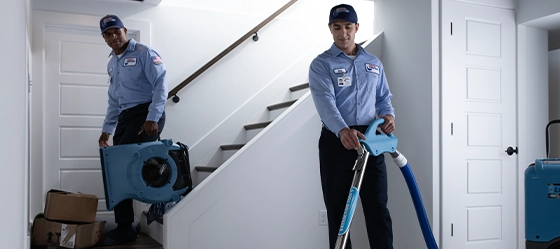
How Water Damage Develops in Durham Properties
Durham's humid climate, active creek systems, and evolving development patterns create multiple water damage pathways.
- Creek corridor flooding: Ellerbe Creek, Third Fork Creek, and Sandy Creek overflow during intense rainstorms, inundating properties along their corridors. Water levels rise rapidly - within hours of sustained heavy rainfall - catching homeowners off guard in neighborhoods that sit near these waterways.
- Burst or leaking pipes: Durham's older housing stock includes galvanized steel and early copper supply lines that corrode over decades. Winter cold snaps stress aging joints and fittings, and sudden pipe failures can release significant volumes of water before the homeowner locates the shutoff valve.
- Crawl space moisture: Pier-and-beam construction throughout older Durham neighborhoods leaves homes vulnerable to moisture intrusion from below. Piedmont clay soils retain water for extended periods, pushing humidity into crawl spaces where wood framing and subflooring absorb it readily.
- Appliance failures: Water heaters, washing machines, dishwashers, and refrigerator supply lines are leading sources of residential water damage. Deteriorating hoses and corroded fittings can fail without warning.
- Tropical storm remnants: Durham sits inland but receives heavy rainfall from tropical systems that track up the Atlantic coast. Prolonged rain saturates already-heavy clay soils and sends runoff into drainage systems at volumes they cannot accommodate.
- Development-related drainage changes: Rapid growth across Durham has converted permeable land into impervious surfaces, redirecting stormwater and increasing runoff volumes into creeks and storm drains that were sized for smaller loads.
Durham Neighborhoods We Serve
Roto-Rooter provides water damage restoration throughout Durham, NC. Our technicians respond promptly to emergencies across the city.
- Old West Durham, Watts-Hillandale, and Trinity Park: Historic homes built in the early 1900s feature original plumbing systems, limited waterproofing, and mature tree canopies that contribute to clogged gutters and root-compromised drain lines.
- Downtown, Central Park, and Ellerbe Creek corridor: Properties along the Ellerbe Creek corridor face direct flood exposure during heavy storms. Commercial and residential properties in this area have experienced repeated water intrusion events.
- Hope Valley and Woodcroft: Established neighborhoods with mid-century homes on clay soils. Crawl space moisture issues and foundation drainage problems are common during prolonged wet periods.
- South Durham, Southpoint, and Research Triangle Park area: Newer development with slab-on-grade construction. Third Fork Creek and its tributaries create localized flood risk, and development activity continues to alter drainage patterns.
Frequently Asked Questions
Does Roto-Rooter offer free estimates for water damage restoration?
Yes. Roto-Rooter provides free estimates for water damage restoration in Durham. Our technicians assess the scope of damage and explain costs before work begins.
Will my homeowners insurance cover water damage restoration?
Most Durham homeowners policies cover sudden and accidental water damage, such as burst or leaking pipes and appliance failures. Flood damage from rising creeks typically requires a separate flood insurance policy. Roto-Rooter provides documentation to support your claim.
Does Roto-Rooter handle creek flooding in Durham?
Yes. Roto-Rooter provides emergency water extraction, structural drying, and sanitization for properties affected by Ellerbe Creek, Third Fork Creek, and other Durham waterway flooding. Our teams deploy professional-grade pumping equipment for large-volume water removal.
Can mold grow in a crawl space after water damage?
Crawl spaces are highly susceptible to mold growth in Durham's humid climate. Moisture trapped beneath the home sustains elevated humidity on wood joists, subflooring, and insulation. Professional restoration includes crawl space drying and antimicrobial treatment.
Can 25 percent of flood damage really occur outside mapped flood zones?
Yes. According to Durham floodplain data, about 25 percent of all flood damage in the city occurs outside FEMA-mapped flood zones. Properties not shown on flood maps can still experience water intrusion during intense storms, especially in areas affected by localized drainage issues and development-altered runoff patterns.
How quickly should water damage be addressed in Durham's climate?
Water damage in Durham should be addressed within hours. Humidity levels in the Piedmont regularly exceed 70 percent during summer, and mold can begin colonizing damp materials within 24 to 48 hours. Rapid extraction and dehumidification reduce secondary damage significantly. Call Roto-Rooter at 919-598-0255 for prompt response.
How can I tell if I have hidden water damage?
Warning signs include musty odors, wall discoloration, bubbling paint, warped hardwood floors, and unexplained increases in your water bill. Many Durham homes have crawl spaces where moisture accumulates undetected. Roto-Rooter technicians use infrared cameras and moisture meters to locate hidden water.
Serving Durham and surrounding communities, Including:
Counties in the Durham Area
Financing Options for Water Damage Restoration
Restoration costs can add up quickly after unexpected water damage. Roto-Rooter offers convenient financing through Synchrony Bank to help Durham homeowners manage expenses without delaying critical repairs. Financing lets you authorize work right away while spreading costs into manageable monthly payments.
Roto-Rooter provides free estimates so you understand costs before work begins. Our team also works with your insurance company to document damage and support your claim. Call 919-598-0255 to discuss restoration needs and financing options.
What to Do When You Discover Water Damage in Your Durham Home
Acting quickly after discovering water damage limits destruction and reduces costs.
- Stop the water source: If the water is coming from a plumbing failure, shut off the main water supply valve. For appliance leaks, disconnect the unit and close its supply valve. For storm-related flooding, focus on safety first.
- Protect yourself and your property: Avoid contact with standing water near electrical outlets or panels. Move valuable items to dry areas. Do not use a household vacuum to remove standing water.
- Call Roto-Rooter immediately: Contact Roto-Rooter at 919-598-0255 as soon as the situation is safe. Our technicians respond promptly to begin extraction and prevent mold growth.
- Document the damage: Take photos and videos of all affected areas before cleanup begins. This documentation supports your insurance claim.

Same-Day Water Damage Restoration in Durham
Trusted Water Damage Restoration Across Durham

SPECIAL FINANCING AVAILABLE
We have partnered with Synchrony Bank to offer financing options to make your plumbing repair expenses as convenient and stress-free as possible.