Water Damage Restoration in Grand Rapids, MI
Grand River Flooding and Spring Thaw Create Year-Round Water Damage Risk
Grand Rapids sits along the Grand River, which crested at 21.85 feet during the 2013 flood that impacted over 1,200 homes and closed more than 300 roads across Southern Lower Michigan. The city faces water damage pressure throughout the year - rapid spring snowmelt on frozen ground overwhelms sump pumps and drainage systems, summer thunderstorms deliver intense rainfall on already saturated soils, and winter freeze-thaw cycles stress plumbing in older homes across the metro.
West Michigan's clay-heavy soils hold moisture near the surface and create hydrostatic pressure against basement walls. The region's relatively high water table compounds the problem, pushing groundwater into basements through cracks, joints, and porous concrete during wet periods. Older stormwater infrastructure in neighborhoods like Roosevelt Park and South Hill struggles to keep pace during severe weather, increasing the risk of basement flooding and sewer surcharge.
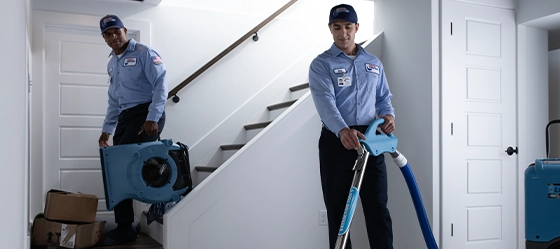
Roto-Rooter provides comprehensive water damage restoration in Grand Rapids, backed by decades of plumbing expertise since 1935. Our experienced plumbing technicians respond promptly with professional-grade extraction, structural drying, and restoration equipment. Call Roto-Rooter at 616-233-9188 or schedule service online for immediate water damage assistance.
Water Damage Scenarios Grand Rapids Homeowners Face
West Michigan's seasonal extremes, river geography, and dense clay soils create water damage challenges that demand fast professional response.
- Grand River and Tributary Flooding: The Grand River and Thornapple River rise rapidly during spring snowmelt and sustained rainfall. Properties along the river corridor and low-lying tributaries face direct flood exposure when water levels exceed flood stage.
- Basement Flooding: Clay-heavy soils hold water against foundation walls, building hydrostatic pressure that forces moisture through cracks and porous concrete. Spring thaw on frozen ground sends runoff into basements faster than sump pumps can manage.
- Burst or Leaking Pipes from Freeze Events: West Michigan winters regularly push temperatures well below freezing, stressing supply lines in exterior walls, crawl spaces, and unheated garages. Pipes freeze and burst when ice expands, releasing pressurized water into walls and ceilings.
- Storm Drain and Sewer Surcharge: Heavy rainfall overwhelms aging stormwater infrastructure in older neighborhoods, pushing contaminated water back through floor drains and low fixtures into homes.
- Ice Dam Damage: Heavy lake-effect snowfall followed by freeze-thaw cycles creates ice dams on roofs. Trapped meltwater backs up beneath shingles and seeps into attic spaces, ceilings, and wall cavities.
- Appliance Failures: Water heaters, washing machines, dishwashers, and supply hoses are leading sources of residential water damage. A failed connection can flood a room within minutes.
Grand Rapids Neighborhoods We Serve
Roto-Rooter provides water damage restoration throughout Grand Rapids, MI. Our technicians respond promptly to emergencies across the city.
- Roosevelt Park and South Hill: Low-lying areas near the Grand River face direct flood exposure during high water events. Aging stormwater infrastructure increases the risk of sewer surcharge and basement flooding during heavy rain.
- Heritage Hill and East Hills: Historic homes dating to the late 1800s and early 1900s contain aging galvanized and cast iron plumbing. Stone and brick foundations in these older structures are more permeable to groundwater intrusion.
- Eastown and Midtown: Established residential neighborhoods with mature tree canopy face root intrusion into aging clay sewer laterals. Mid-century homes contain plumbing now past its expected service life.
- West Side and John Ball Area: Properties at lower elevations near the Grand River face seasonal flooding risk. Dense residential construction with limited lot drainage concentrates stormwater against foundations.
Operated as an Independent Contractor - All available services, hours of operations, pricing structure, and guarantees may vary by location
Frequently Asked Questions
How can I prevent frozen pipes in Grand Rapids winters?
Insulate exposed pipes in crawl spaces, attics, and exterior walls. Keep cabinet doors open beneath sinks on exterior walls during cold snaps. If pipes freeze, call Roto-Rooter at 616-233-9188 before attempting to thaw them - improper thawing can cause pipes to burst.
Will my homeowners insurance cover water damage restoration?
Most homeowners policies cover sudden and accidental water damage, such as burst or leaking pipes and appliance failures. Flood damage caused by rising surface water typically requires a separate policy. Roto-Rooter provides documentation to support your insurance claim.
Does Roto-Rooter respond to river flooding and spring thaw emergencies?
Yes. Roto-Rooter provides flood damage water extraction, structural drying, and sanitization for Grand Rapids properties affected by river flooding, snowmelt runoff, and storm drain overflow. Our teams deploy additional equipment during peak flooding periods.
How quickly should water damage be addressed in Grand Rapids?
Water damage should be addressed within hours. Mold growth can begin within 24 to 48 hours on saturated materials, and standing water in basements accelerates structural deterioration. Call Roto-Rooter at 616-233-9188 for prompt emergency response.
Why does my basement flood every spring?
West Michigan's clay soils hold snowmelt near the surface while the ground remains partially frozen, preventing absorption. This saturated soil builds hydrostatic pressure against basement walls, forcing water through cracks and joints. Sump pump systems can be overwhelmed during rapid thaw events.
Serving the entire Grand Rapids metro area, Including:
Counties in the Grand Rapids Metro Area
Financing Options for Water Damage Restoration
Restoration costs can add up quickly after unexpected water damage. Roto-Rooter offers convenient financing through Synchrony Bank to help Grand Rapids homeowners manage expenses without delaying critical repairs. Financing lets you authorize work right away while spreading costs into manageable monthly payments.
Roto-Rooter provides free estimates so you understand costs before work begins. Our team also works with your insurance company to document damage and support your claim. Call 616-233-9188 to discuss restoration needs and financing options.
Immediate Steps After Discovering Water Damage
Acting quickly after discovering water damage limits destruction and reduces costs. If you find standing water or signs of water intrusion, take these steps immediately.
- Stop the Water Source: If the water is coming from a plumbing failure, shut off the main water supply valve. For appliance leaks, disconnect the unit and close its supply valve. For storm-related flooding, focus on safety first.
- Protect Yourself and Your Property: Avoid contact with standing water near electrical outlets or panels. Move valuable items and important documents to dry areas. Do not use a household vacuum to remove standing water.
- Call Roto-Rooter Immediately: Contact Roto-Rooter at 616-233-9188 as soon as the situation is safe. Our technicians respond promptly to begin extraction and prevent mold growth.
- Document the Damage: Take photos and videos of all affected areas before cleanup begins. This documentation supports your insurance claim and helps our team assess the full scope of damage.

Same-Day Water Damage Restoration in Grand Rapids
Call Roto-Rooter for 24/7 Water Damage Restoration in Grand Rapids

SPECIAL FINANCING AVAILABLE
We have partnered with Synchrony Bank to offer financing options to make your plumbing repair expenses as convenient and stress-free as possible.