Water Damage Restoration in Jersey City, NJ
Waterfront Exposure and Dense Urban Construction Amplify Jersey City's Risks
Jersey City occupies a narrow peninsula between the Hudson River and Newark Bay, with roughly 32 percent of its buildings sitting in areas of significant flood risk. The city faces multiple water threats simultaneously - tidal flooding from the Hudson River, storm surge during nor'easters and tropical systems, surface flooding during heavy downpours, and sewer backups from its combined sewer system that routes overflow directly into surrounding waterways. Buildings at risk average about a 50 percent chance of experiencing flooding over a 30-year period.
The density of Jersey City's construction makes water damage especially destructive. Multi-story brownstones and row houses share party walls, meaning water from a burst pipe on the top floor of one unit can travel through multiple floors and into neighboring properties. The city's waterfront development boom has placed luxury high-rises and converted warehouse residences directly in tidal flood zones where sea level rise continues to expand the vulnerable footprint.
Roto-Rooter provides comprehensive water damage restoration in Jersey City, backed by decades of plumbing expertise since 1935. Our experienced plumbing technicians respond promptly with professional-grade extraction, structural drying, and restoration equipment. Call Roto-Rooter at 201-942-3073 or schedule service online for immediate water damage assistance.
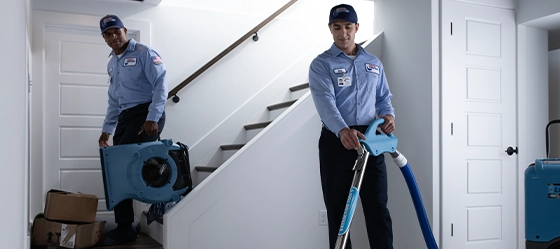
Water Damage Scenarios Jersey City Properties Face
Urban density, aging infrastructure, and coastal exposure combine to create water damage risks specific to Jersey City.
- Tidal and storm surge flooding: Low-lying waterfront areas along the Hudson River and Newark Bay experience tidal flooding during high tide events amplified by coastal storms. Sea level rise is expanding flood-prone zones along both waterfronts.
- Combined sewer overflow: Jersey City's combined sewer system carries both stormwater and sewage. Heavy rainfall overwhelms the system, and excess flow is routed into the Hudson River or Newark Bay - but before it gets there, it can back up into basements and ground-floor units.
- Burst or leaking pipes: Pre-war brownstones and row houses throughout the Heights, Journal Square, and Bergen-Lafayette contain original cast iron drain stacks and galvanized supply lines that corrode over decades. Freezing temperatures in winter cause pipe bursts in unheated sections of older buildings.
- Appliance failures: Water heaters, washing machines, and dishwashers in multi-unit buildings can cause cascading damage through multiple floors. A single appliance failure on an upper level can affect every unit below.
- Roof leaks and ice dams: Flat roofs on row houses and brownstones collect standing water during heavy rain. Winter ice dams force water beneath roofing membranes, saturating ceilings and upper-floor walls.
- Construction defects in new development: Waterfront towers and converted industrial buildings sometimes develop water intrusion issues from improperly sealed building envelopes, directing rainwater into interior spaces during wind-driven storms.
Jersey City Neighborhoods We Serve
Roto-Rooter provides water damage restoration throughout Jersey City, NJ. Our technicians respond promptly to emergencies across the city.
- Downtown and Exchange Place waterfront: High-rise residential towers and commercial properties face direct tidal flooding exposure along the Hudson River. Storm surge during coastal weather events can inundate ground-level parking garages, lobbies, and mechanical rooms.
- The Heights and Journal Square: Dense blocks of pre-war brownstones and multi-family homes with aging plumbing systems. Original cast iron and galvanized piping creates elevated risk for sudden pipe failures that cascade through multi-story structures.
- Bergen-Lafayette and Greenville: Low-lying residential neighborhoods near Newark Bay. Combined sewer backup during heavy rain events is a persistent concern, and older housing stock features limited waterproofing on foundations.
- Liberty State Park area and Communipaw: Properties near the waterfront face both tidal flooding and stormwater accumulation. Redeveloped industrial parcels may contain drainage patterns that direct water toward residential structures.
Frequently Asked Questions
Will my homeowners or renters insurance cover water damage?
Most policies cover sudden and accidental water damage, such as burst or leaking pipes and appliance failures. Flood damage from tidal flooding or storm surge typically requires a separate flood insurance policy. Roto-Rooter provides documentation to support your claim.
How can I tell if I have hidden water damage?
Warning signs include musty odors, bubbling or peeling paint, stained ceilings, warped flooring, and unexplained increases in your water bill. In multi-story buildings, water stains on a ceiling often indicate a leak originating from a unit or pipe above. Roto-Rooter technicians use infrared cameras and moisture meters to trace the source.
Does Roto-Rooter handle flooding in multi-unit buildings?
Yes. Roto-Rooter restores water damage in single-family homes, brownstones, row houses, and high-rise residential buildings throughout Jersey City. Our teams coordinate with building management and address water migration across multiple floors and units.
How quickly should water damage be addressed in Jersey City?
Water damage should be addressed within hours. Mold can begin colonizing damp materials within 24 to 48 hours, and in Jersey City's dense multi-unit buildings, water can migrate through floors and walls into adjacent properties rapidly. Call Roto-Rooter at 201-942-3073 for prompt emergency response.
Can water damage in one unit affect neighboring units?
Yes. In Jersey City's row houses and multi-family buildings, water travels through shared walls, floors, and ceiling cavities. A burst pipe or overflow in one unit can damage multiple adjacent properties, making rapid professional response critical.
Serving Jersey City and surrounding communities, Including:
Counties in the Jersey City Area
Financing Options for Water Damage Restoration
Restoration costs can add up quickly after unexpected water damage. Roto-Rooter offers convenient financing through Synchrony Bank to help Jersey City property owners manage expenses without delaying critical repairs. Financing lets you authorize work right away while spreading costs into manageable monthly payments.
Roto-Rooter provides free estimates so you understand costs before work begins. Our team also works with your insurance company to document damage and support your claim. Call 201-942-3073 to discuss restoration needs and financing options.
What to Do When You Discover Water Damage in Your Jersey City Property
Acting quickly after discovering water damage limits destruction and reduces costs. If you find standing water or signs of water intrusion, take these steps immediately.
- Stop the water source: If the water is coming from a plumbing failure, shut off the main water supply valve for your unit. For appliance leaks, disconnect the unit and close its supply valve. Notify building management immediately in multi-unit buildings.
- Protect yourself and your property: Avoid contact with standing water near electrical outlets or panels. Move valuable items and important documents to dry areas. Do not use a household vacuum to remove standing water.
- Call Roto-Rooter immediately: Contact Roto-Rooter at 201-942-3073 as soon as the situation is safe. Our technicians respond promptly to begin extraction and prevent mold growth.
- Document the damage: Take photos and videos of all affected areas before cleanup begins. This documentation supports your insurance claim and helps our team assess the full scope of damage.

Same-Day Water Damage Restoration in Jersey City
Trusted Water Damage Restoration Across Jersey City

SPECIAL FINANCING AVAILABLE
We have partnered with Synchrony Bank to offer financing options to make your plumbing repair expenses as convenient and stress-free as possible.