Water Damage Restoration in Plano, TX
Clay Soils, Intense Storms, and Rapid Growth Push Water Into Plano Homes
Plano sits on the blackland prairie of North Texas, where heavy clay soils and a pattern of intense thunderstorms combine to create water damage risks that affect about 9 percent of the city's buildings at a significant level. The Dallas-Fort Worth region experiences some of the most dramatic rainfall events in the country - the August 2022 storm dumped nearly 10 inches across North Texas in a matter of hours, flooding homes, businesses, and highways throughout Collin County.
The clay-heavy soil beneath Plano is part of the problem. Clay expands dramatically when wet and contracts when dry, creating a seasonal cycle that shifts foundations, stresses plumbing connections, and opens pathways for water intrusion that did not exist during initial construction. Urban development has replaced green space with concrete and asphalt, eliminating natural absorption and directing more stormwater runoff into drainage systems that cannot keep pace during heavy rain events.
Roto-Rooter provides comprehensive water damage restoration in Plano, backed by decades of plumbing expertise since 1935. Our experienced plumbing technicians respond promptly with professional-grade extraction, structural drying, and restoration equipment. Call Roto-Rooter at 972-890-0695 or schedule service online for immediate water damage assistance.
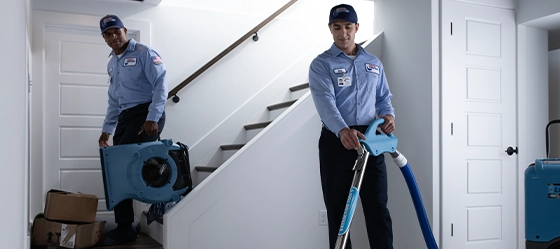
How Water Damage Hits Plano Properties
North Texas weather patterns and Plano's expanding infrastructure create multiple water damage pathways.
- Flash flooding from severe thunderstorms: The DFW metroplex receives an average of 38 inches of rain annually, much of it concentrated in spring and early summer supercell thunderstorms that can drop multiple inches in under an hour. Drainage systems reach capacity quickly, and water pools in low-lying areas, parking lots, and against home foundations.
- Slab leaks: Nearly all Plano homes are built on concrete slab foundations. Expansive clay soil shifts seasonally, stressing copper supply lines beneath the slab. Pinhole leaks develop and saturate flooring materials for weeks before visible damage appears as warped wood, lifted tile, or damp carpeting.
- Burst or leaking pipes: Rare but intense winter freezes catch North Texas homes off guard. Supply lines in attics, exterior walls, and attached garages are poorly insulated compared to northern states, making them vulnerable to rupture during multi-day freezes like the February 2021 winter storm.
- Appliance failures: Water heaters, washing machines, and dishwashers are leading sources of residential water damage. North Texas hard water accelerates scale deposits on supply hoses and fittings, shortening their service life.
- Hail and wind-driven rain: Plano sits in a hail-prone corridor. Storms that damage roofing materials allow wind-driven rain to enter attic spaces and saturate insulation, ceilings, and walls.
- Foundation shifts and water intrusion: The seasonal expand-contract cycle of clay soil pulls foundations out of alignment. Cracks in the slab and gaps around door frames and windows create entry points for stormwater during heavy rain.
Plano Neighborhoods We Serve
Roto-Rooter provides water damage restoration throughout Plano, TX. Our technicians respond promptly to emergencies across the city.
- West Plano and Willow Bend: Homes built in the 1980s and 1990s on heavy clay soils. Foundation movement over three decades has stressed plumbing connections, and original supply lines are approaching the end of their expected service life.
- East Plano and Spring Creek corridor: Properties near Spring Creek face direct flood exposure during intense storms. Older homes in this area contain original plumbing that has endured decades of hard water exposure.
- Legacy West, Shops at Legacy, and north Plano: Newer development with modern plumbing but built on the same expansive clay soils. Increased impervious surface coverage from commercial development directs more runoff toward residential areas during storms.
- Downtown Plano, Haggard Park, and central neighborhoods: Mid-century homes with aging infrastructure. Original sewer connections, foundation drainage systems, and supply lines create multiple vulnerability points for water intrusion.
Frequently Asked Questions
How do slab leaks cause water damage in Plano homes?
Supply lines beneath concrete slab foundations are stressed by the seasonal expansion and contraction of Plano's clay soils. Pinhole leaks develop at weakened joints and corroded fittings, releasing water beneath the slab that wicks upward through flooring materials. Roto-Rooter detects slab leaks using specialized equipment and restores damaged flooring and subflooring.
How quickly should water damage be addressed in Plano?
Water damage in Plano should be addressed within hours. North Texas humidity during spring and summer creates conditions where mold can begin colonizing damp materials within 24 to 48 hours. Rapid extraction and dehumidification significantly reduce secondary damage. Call Roto-Rooter at 972-890-0695 for prompt response.
Can hail damage lead to water damage?
Yes. Hail impacts crack and dislodge roofing materials, creating openings for wind-driven rain during subsequent storms. Water entering through roof damage saturates attic insulation, ceiling drywall, and wall cavities, often going unnoticed until staining appears.
Will my homeowners insurance cover water damage?
Most Plano homeowners policies cover sudden and accidental water damage, such as burst or leaking pipes and appliance failures. Flood damage from rising water typically requires a separate flood insurance policy. Slab leak damage may have specific coverage limitations. Roto-Rooter provides documentation to support your claim.
Can Plano's clay soil really cause plumbing failures?
Yes. Expansive clay soil shifts dramatically between wet and dry periods, exerting lateral pressure on underground supply lines and sewer connections. This movement bends pipes, opens joints, and creates stress cracks that result in leaks both beneath and around the foundation.
Serving Plano and surrounding communities, Including:
Counties in the Plano Area
Financing Options for Water Damage Restoration
Restoration costs can add up quickly after unexpected water damage. Roto-Rooter offers convenient financing through Synchrony Bank to help Plano homeowners manage expenses without delaying critical repairs. Financing lets you authorize work right away while spreading costs into manageable monthly payments.
Roto-Rooter provides free estimates so you understand costs before work begins. Our team also works with your insurance company to document damage and support your claim. Call 972-890-0695 to discuss restoration needs and financing options.
What to Do When You Discover Water Damage in Your Plano Home
Acting quickly after discovering water damage limits destruction and reduces costs.
- Stop the water source: If the water is coming from a plumbing failure, shut off the main water supply valve. For appliance leaks, disconnect the unit and close its supply valve. For storm-related flooding, focus on safety first.
- Protect yourself and your property: Avoid contact with standing water near electrical outlets or panels. Move valuable items to dry areas. Do not use a household vacuum to remove standing water.
- Call Roto-Rooter immediately: Contact Roto-Rooter at 972-890-0695 as soon as the situation is safe. Our technicians respond promptly to begin extraction and prevent mold growth.
- Document the damage: Take photos and videos of all affected areas before cleanup begins. This documentation supports your insurance claim.

Same-Day Water Damage Restoration in Plano
Trusted Water Damage Restoration Across Plano

SPECIAL FINANCING AVAILABLE
We have partnered with Synchrony Bank to offer financing options to make your plumbing repair expenses as convenient and stress-free as possible.